An emergency fund acts as the primary shock absorber for your household financial ecosystem. It serves as a buffer between a sudden crisis—such as an unexpected job loss or a major medical expense—and a total collapse of your budget. Determining the correct size for this fund is not a one-size-fits-all process; it requires a granular look at your monthly burn rate and specific risk factors that could trigger a withdrawal.
Defining Your Monthly Burn Rate
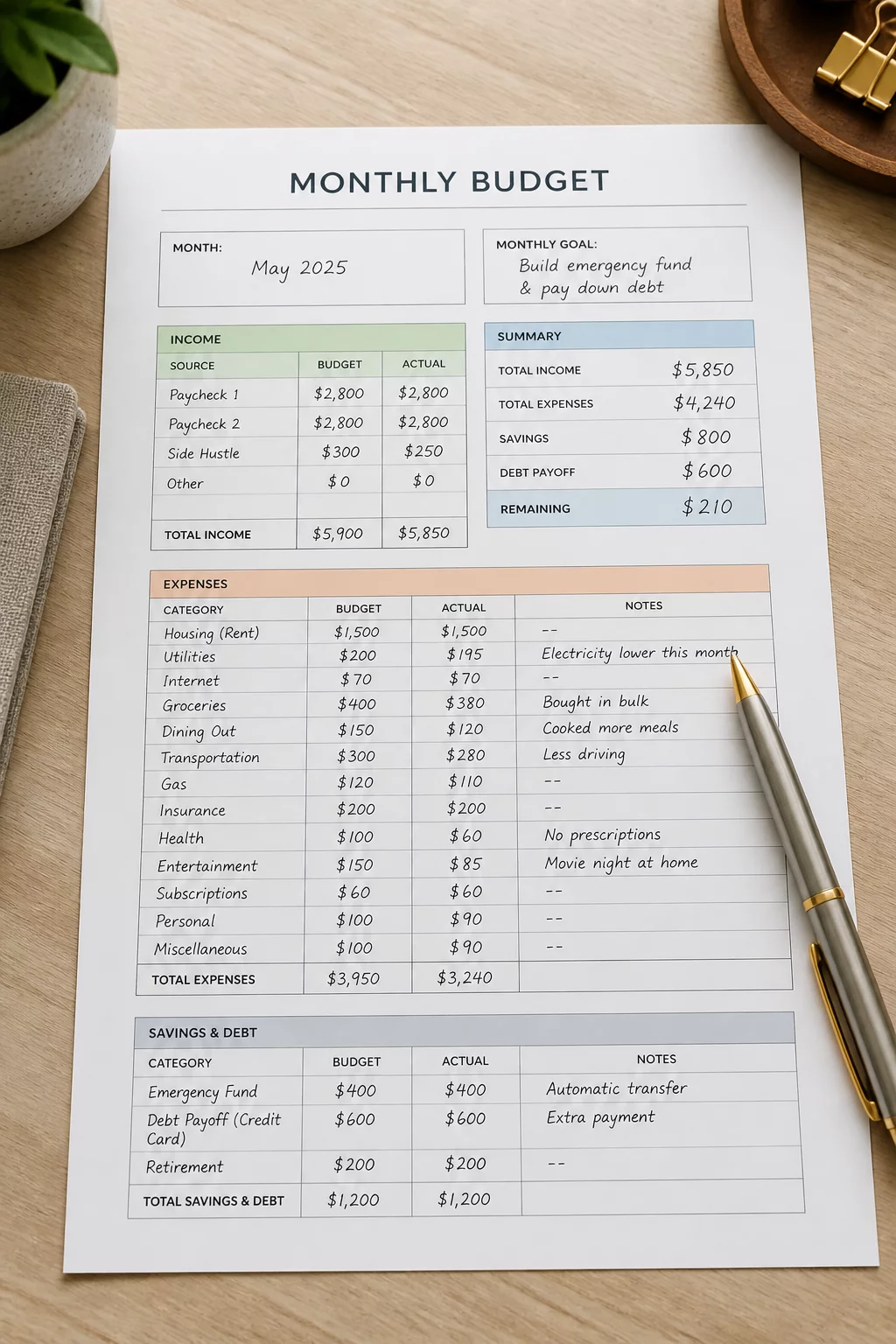
The foundation of any emergency fund is your survival baseline. This is the absolute minimum amount of cash required to keep your household running for one month. To find this number, extract all discretionary spending from your analysis. Focus strictly on non-negotiable costs: mortgage or rent payments, basic utilities, insurance premiums, essential nutrition, and minimum debt obligations. By isolating these figures, you establish a clear target for what "survival" looks like during a period of zero income.
The Risk Assessment Framework
The standard advice of saving three to six months of expenses is a useful starting point, but it often lacks context. Professionals in high-volatility industries or freelancers should lean toward a nine to twelve-month cushion. Conversely, dual-income households with high job security might find a four-month fund sufficient. Consider the following variables when deciding on your final multiplier:
- Employment Stability: Analyze how long it would realistically take to find a comparable position if you were laid off today.
- Health and Dependents: Households with small children or chronic health needs require larger buffers to account for higher medical deductibles.
- Asset Maintenance: Homeowners must account for the failure of major systems like HVAC units or roofs, which can drain a standard survival fund overnight.
Building the Safety Net in Phases
Attempting to save a massive lump sum all at once can be demoralizing and lead to budget fatigue. Instead, process the funding in manageable increments. Start by accumulating a $1,000 starter fund to handle minor hiccups like flat tires or small appliance repairs. From there, aim for a one-month survival fund. Once that milestone is achieved, the momentum usually carries the household toward the final three or six-month goal without the stress of an insurmountable target.
Reviewing and Adjusting Sizing
Your emergency fund size is not a static number. As life changes—through a promotion, the birth of a child, or a move to a new city—the size of your safety net must adapt. Perform a review of your fund size every twelve months or immediately following a major lifestyle shift. If your expenses decrease due to aggressive debt payoff, you might even decide to move excess cash into higher-yielding investment vehicles, provided your core safety net remains intact.


Editorial Discussion
No comments yet. Be the first to leave a comment.
Join the conversation