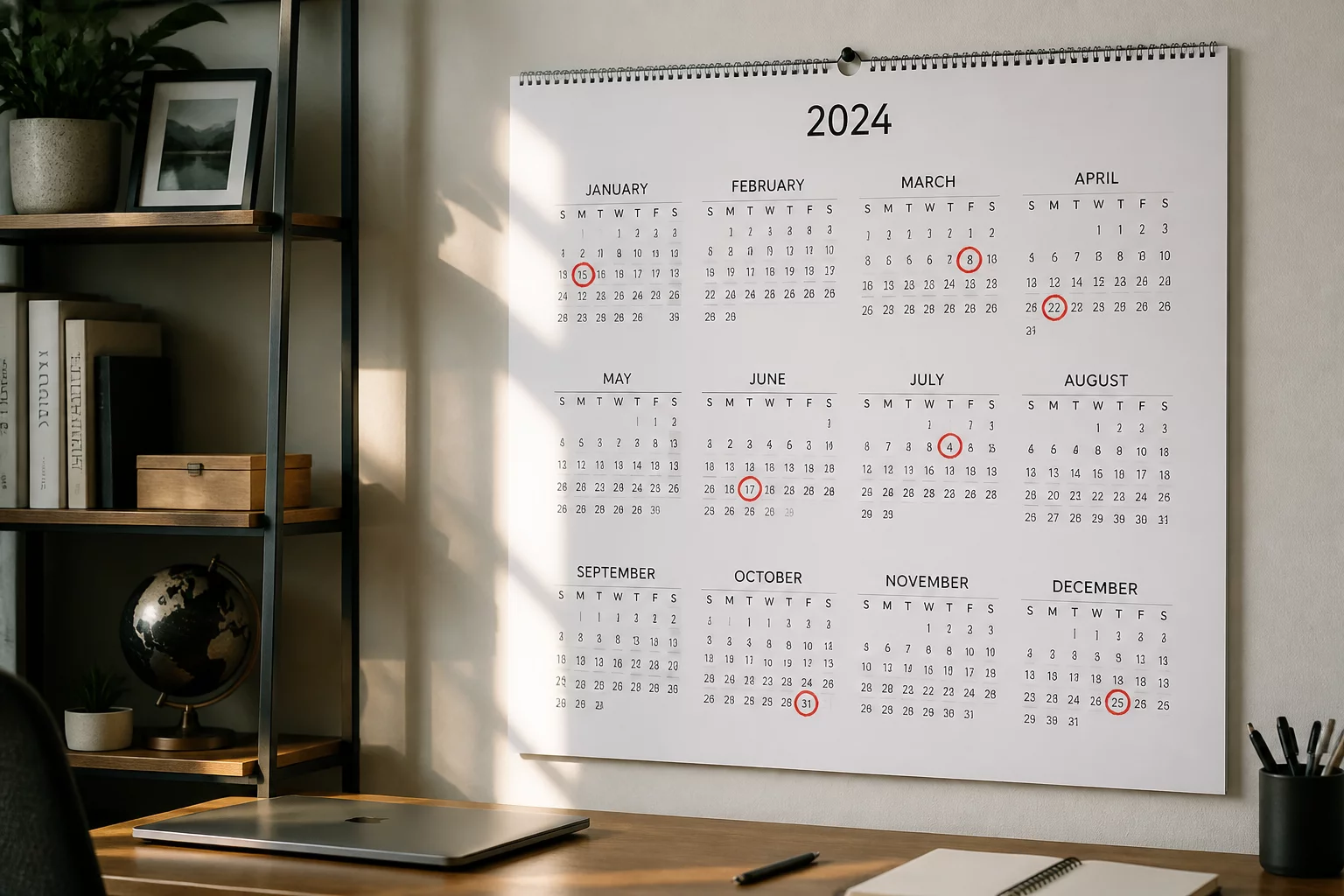
A monthly budget is a vital tool for immediate cash flow management, but it often fails to account for the larger, less frequent expenses that inevitably occur throughout the year. The Annual Expense Planner is designed to bridge this gap, providing a high-level strategic overview of your household's financial commitments over a twelve-month horizon. By looking beyond the current month, you can anticipate fiscal peaks and prepare for them long before they impact your daily spending power.
Understanding the "Lumpy" Expense Trap
Most households face significant financial stress not from regular bills—like rent or groceries—but from "lumpy" expenses. These are the costs that arrive once or twice a year, often catching families off guard. Typical examples include property tax assessments, annual car insurance premiums, life insurance renewals, and professional membership fees. When these expenses hit without prior planning, they often force a reliance on credit cards or emergency funds, which disrupts long-term wealth-building goals.
The Structural Benefits of Yearly Planning
- Reduced Financial Anxiety: Knowing exactly which months will be "expensive" allows for psychological and financial preparation.
- Improved Savings Rate: By amortizing annual costs into monthly savings targets, you smooth out your cash flow and avoid sudden deficits.
- Strategic Spending: You can plan major purchases or home improvements during months when other annual commitments are low.
- Holiday Cushioning: Dedicated tracking for end-of-year festivities ensures you don't start the new year with a debt hangover.
Designing Your Annual Worksheet
Creating a functional planner requires a retrospective look at your previous year's spending. Review bank statements from the past 12 months and identify every payment that does not occur on a monthly basis. List these by the month they are due. Once you have a total for the year, divide that number by twelve. This figure represents the amount you should be setting aside every month into a dedicated "Sinking Fund" or reserve account. By doing this, the money is already available when the bill arrives, turning a potential financial crisis into a simple administrative task.
Quarterly Review and Adjustment
An annual plan is not a static document. Life changes, and so do costs. It is recommended to perform a brief review every quarter to adjust for rising utility rates, new digital subscriptions, or changes in insurance premiums. This iterative process ensures that your household workbook remains an accurate reflection of your financial reality, empowering you to make rational consumption decisions with total confidence.
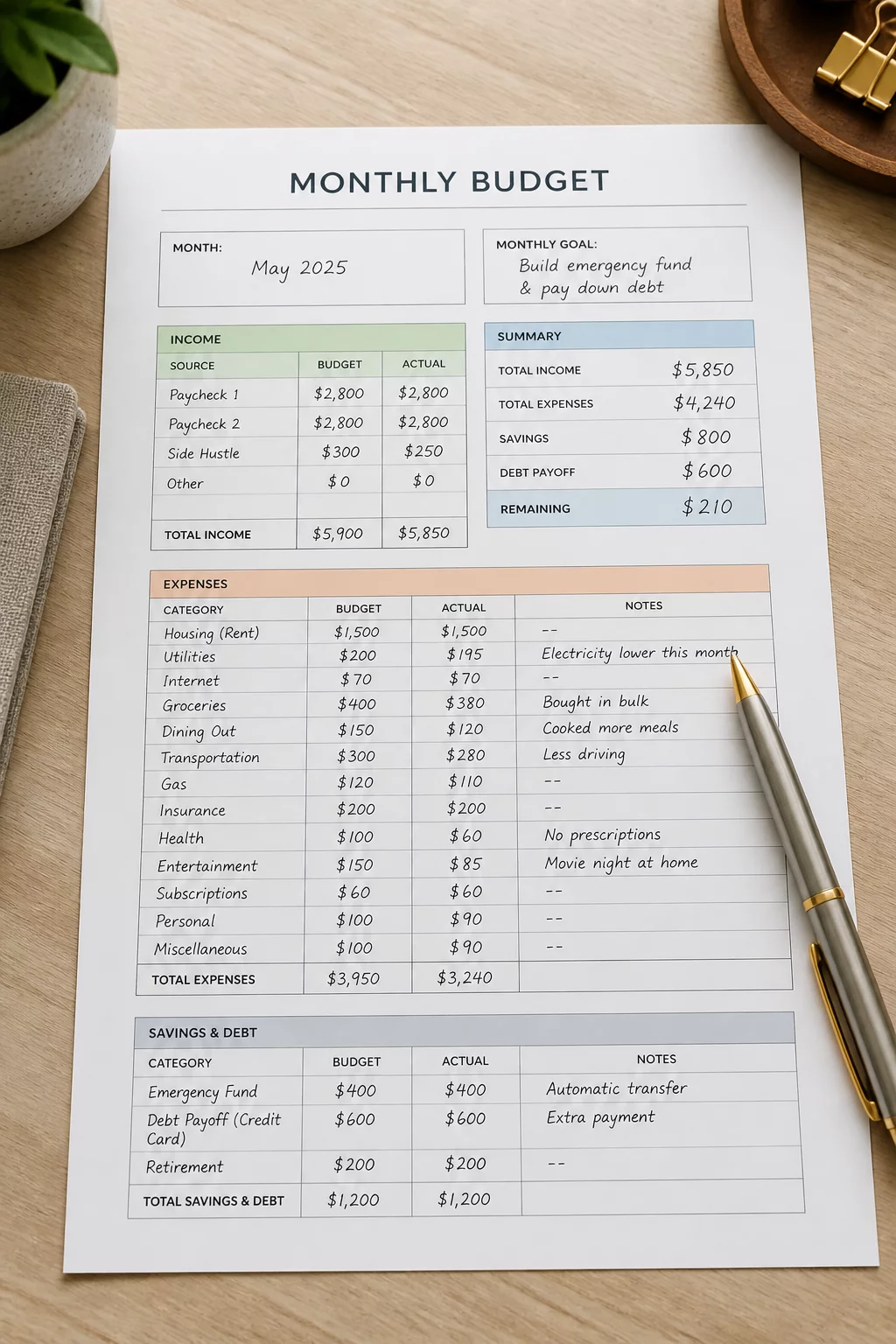


Editorial Discussion
No comments yet. Be the first to leave a comment.
Join the conversation