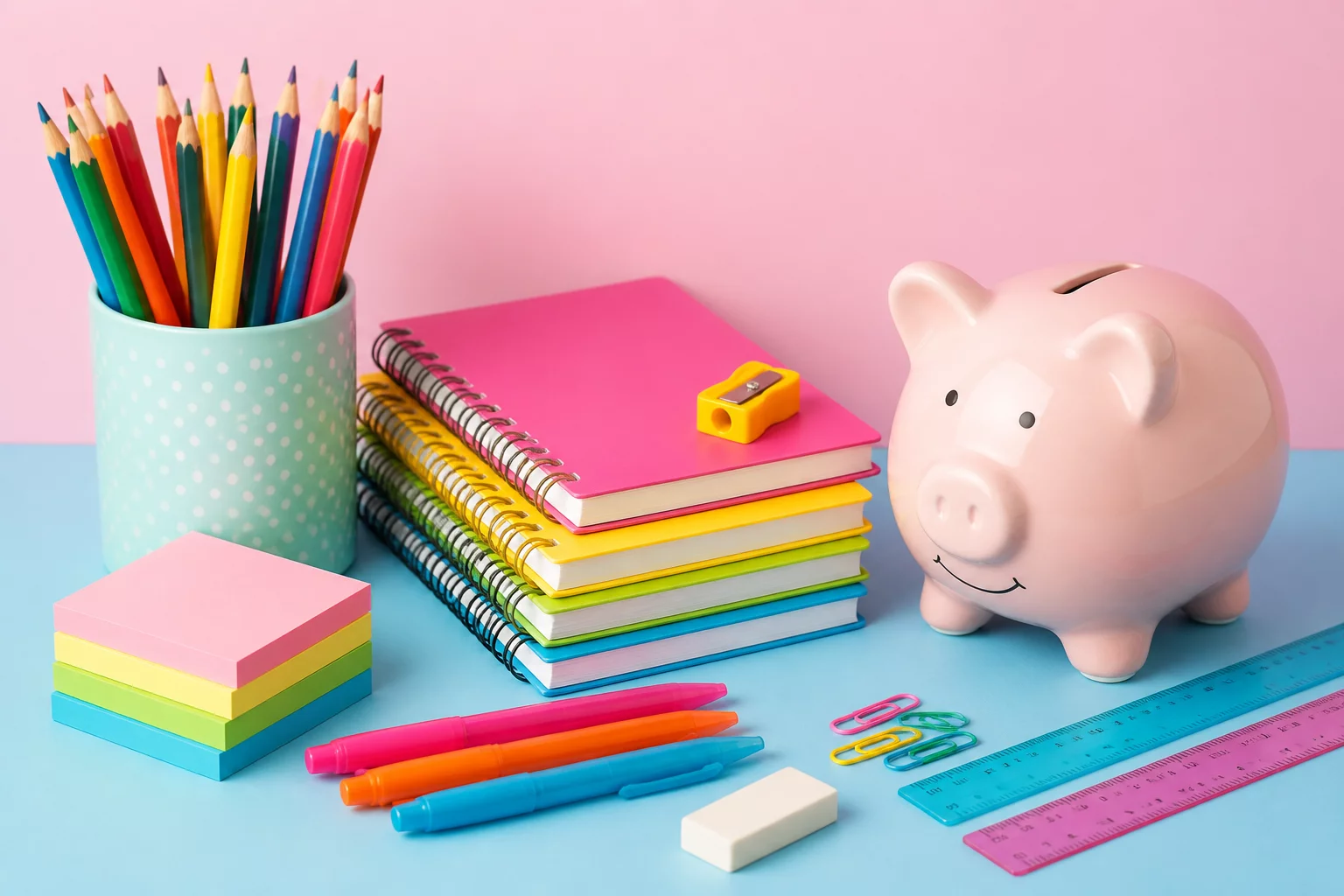
The back-to-school season represents one of the most significant annual financial spikes for modern households. Between high-tech classroom requirements and the cyclical need for new apparel, the costs can quickly spiral. Without a structured approach, families often resort to reactive spending, which results in paying premium prices for items that could have been sourced more economically. Effective budgeting for this period requires more than just a list of supplies; it demands a comprehensive strategy that spans inventory assessment, timing analysis, and quality prioritization.
The Initial Household Audit
Before stepping into a store or opening an online retailer, the first step is a thorough inventory check. It is surprising how many unused notebooks, half-empty pencil cases, and functional calculators remain tucked away in drawers from the previous year. Grouping these items by category allows you to see what is truly missing. This audit prevents redundant purchases and refocuses your budget on high-priority needs rather than generic "supplies" lists that often include things you already own.
Strategic Timing and Sales Cycles
Retailers follow predictable cycles during the school transition period. While it is tempting to complete all shopping in a single day, spreading purchases across several weeks often yields better financial results. Tax-free weekends offer immediate savings on larger ticket items like laptops and tablets. Conversely, basic stationery items frequently see their lowest prices in the final week of August as stores clear floor space for autumn merchandise. Understanding these windows helps maximize the purchasing power of every dollar allocated to the school fund.
Prioritizing Quality for Longevity
A common budgeting pitfall is choosing the lowest-priced option for durable goods. Items such as backpacks, winter coats, and graphing calculators should be viewed as multi-year investments. Spending 50% more on a heavy-duty backpack that lasts three years is significantly more rational than buying a flimsy version every September. This "buy it once" philosophy reduces long-term household waste and stabilizes the annual budget by eliminating recurring replacement costs.
Managing the Tech Burden
Electronics now represent the largest single expense in academic preparation. For older students, a reliable laptop is non-negotiable. Instead of buying brand new, consider high-tier refurbished models from certified vendors. These units often come with warranties similar to new products but at a 30-40% discount. Additionally, check with the school district regarding software licensing; many schools provide access to essential office suites for free, saving you from expensive subscription costs.

Editorial Discussion
No editorial discussions yet. This could be your first comment.
Join the conversation