
Seasonal celebrations often trigger significant financial pressure. A structured approach allows families to enjoy the spirit of giving without compromising their long-term economic stability. A well-constructed holiday spending plan acts as a safeguard against impulse purchases and the post-festive debt cycle that affects so many households each year.
Establishing a Festive Spending Limit
The foundation of a successful holiday season rests on a hard ceiling. It is vital to look at your disposable income from September through November to determine what is actually available for extra costs. Instead of starting with a wish list, start with a bank balance analysis. Determine a total figure that does not require dipping into emergency savings or increasing high-interest credit card balances. Once this number is set, it becomes the non-negotiable anchor for all subsequent decisions.
The Multi-Category Approach
Holidays aren't just about the gifts under the tree. A common financial pitfall is ignoring the ancillary costs that accumulate during the festive period. To create a realistic budget, you must categorize costs into several distinct buckets:
- Gifts and Wrapping: Include every recipient from close family to colleagues.
- Travel and Transportation: Factor in fuel, airline tickets, and parking fees.
- Food and Hosting: Account for specialty ingredients, alcohol, and dinner parties.
- Decorations: Even small additions like new lights or ornaments add up.
- Year-End Giving: Charitable contributions are often highest in December.
Gift List Management
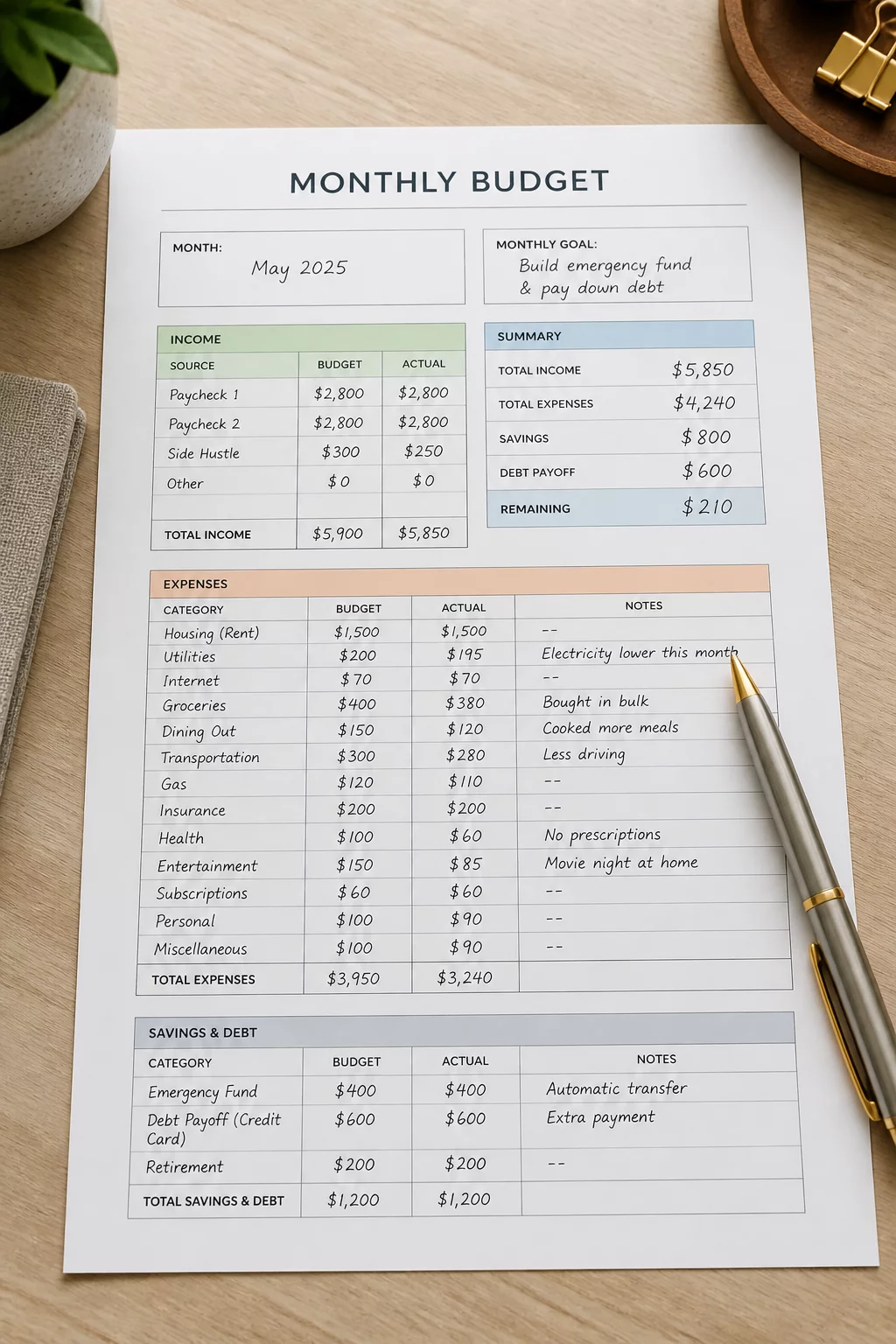
List every person you intend to buy for and assign a specific dollar value to each. Use a dedicated tracker or the HouseholdPulse workbook to avoid impulse upgrades at the checkout counter. If you find the total exceeds your spending limit, look for opportunities to group gifts or suggest a secret Santa exchange among extended family to reduce the volume of individual purchases. It is better to have three meaningful, budgeted gifts than twenty impulse buys that lead to stress.
Hidden Costs of Hosting
Remember to account for the increased grocery bills and potential utility spikes during winter gatherings. When people are at home more, heating and electricity usage naturally rises. If you are hosting a large dinner, ask guests to contribute a side dish or beverage. This collaborative approach fosters community and significantly lightens the financial load on the host. Transparency about budget goals can often lead to more relaxed and enjoyable social environments.
Smart Purchasing Tactics
Shop early to spread your cash flow across several pay cycles. Utilizing browser extensions for price tracking can help you identify genuine sales versus marketing hype. Strictly avoid high-interest credit options for non-essential purchases; if the item cannot be paid off in the next billing cycle, it may be worth reconsidering. Focus on the value of the experience rather than the price tag, as festive memories are built on connection, not just commercial items.


Editorial Discussion
No comments yet. Be the first to leave a comment.
Join the conversation