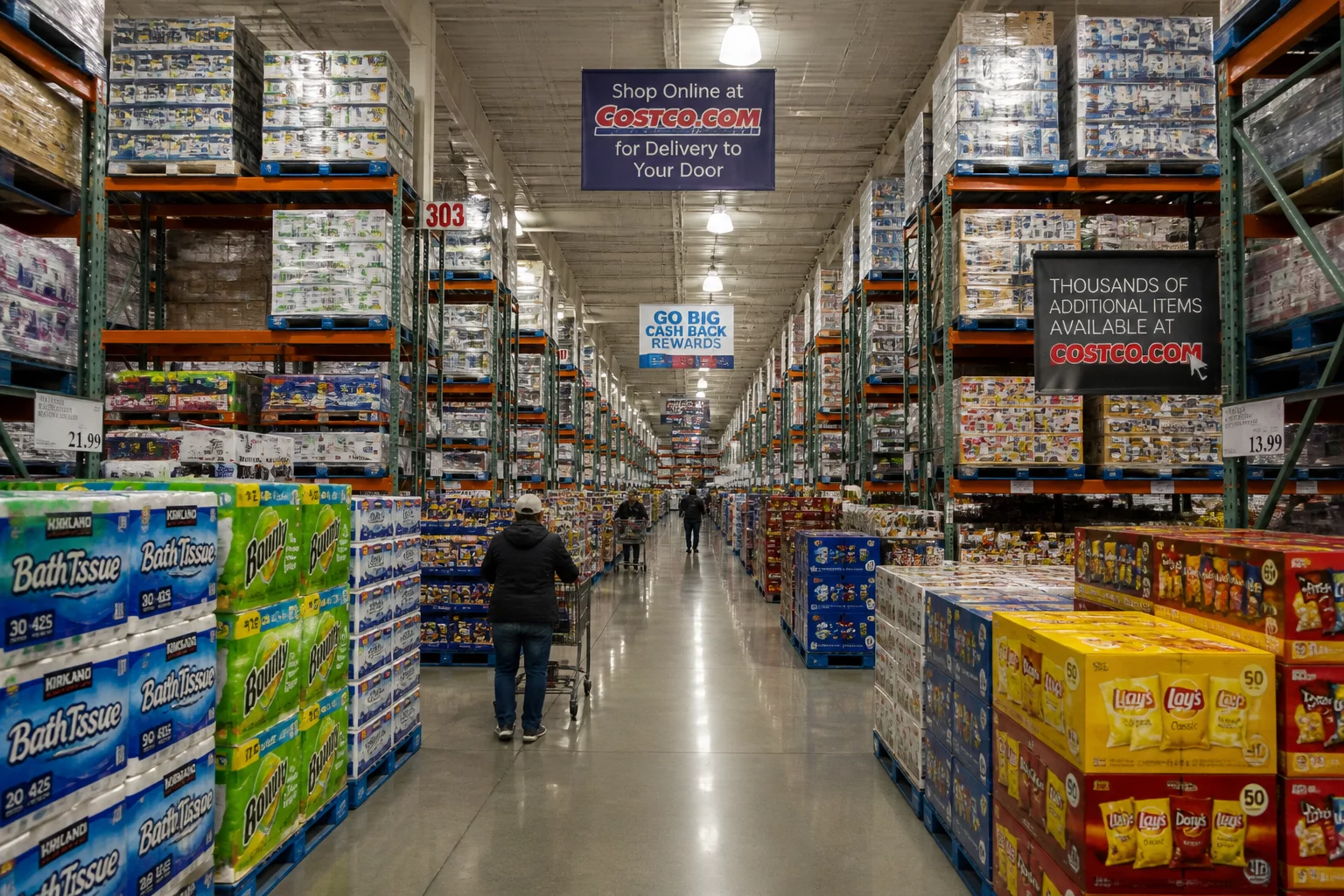
The Arithmetic of Wholesale Purchasing
Acquiring household essentials in large quantities presents a distinct opportunity for financial optimization, yet the actual savings often prove elusive without structured analysis. The core efficiency of bulk buying relies on the unit price—the cost per kilogram, liter, or individual item—rather than the total amount displayed on the price tag. Marketing strategies frequently obscure the true value of oversized packaging, sometimes leading consumers to pay a premium for the perceived convenience of a larger box. Establishing a disciplined habit of comparing unit prices across different retailers ensures that every dollar spent maximizes the quantity of goods received.
Hidden Costs and Consumption Realities
Efficient resource management extends beyond the checkout counter. Storing significant volumes of goods requires dedicated physical space, which carries an implicit cost in terms of organization and household clutter. Furthermore, the risk of spoilage remains a critical factor in the efficiency equation. A household discarding twenty percent of a bulk dairy purchase due to expiration sees the initial fifteen percent price advantage vanish instantly. Items with extended shelf lives, such as dry grains, cleaning supplies, and paper products, serve as the most reliable candidates for high-volume purchasing strategies.
- Assess the shelf life against the projected consumption rate of the household.
- Verify that storage conditions maintain the product's integrity over time.
- Account for the initial capital outlay and its impact on the monthly liquid budget.
- Prioritize items that do not require specialized climate control or excessive floor space.
Strategic Purchase Optimization Steps
Refining a bulk buying strategy requires a methodical approach to inventory and market data. By following a structured set of guidelines, a household transitions from reactive shopping to proactive financial planning. Implement these steps to ensure every large-scale purchase contributes to long-term budget stability:
- Calculate the standard unit price for your current frequent purchases to establish a baseline.
- Identify products with high usage frequency and low perishability.
- Compare the bulk unit price against the best available sale price of regular-sized versions.
- Measure available storage zones to prevent overflow into living areas.
- Track the duration it takes to deplete a bulk item to adjust future purchasing quantities.
Maintaining an equilibrium between quantity and utility allows a household to enjoy the financial benefits of wholesale pricing without the pitfalls of waste or excessive inventory. This analytical approach transforms the grocery list into a tool for asset management, ensuring that resources are allocated where they generate the highest domestic return.


Editorial Discussion
This could be your first comment. Share your experience with bulk buying and storage optimization.
Join the conversation