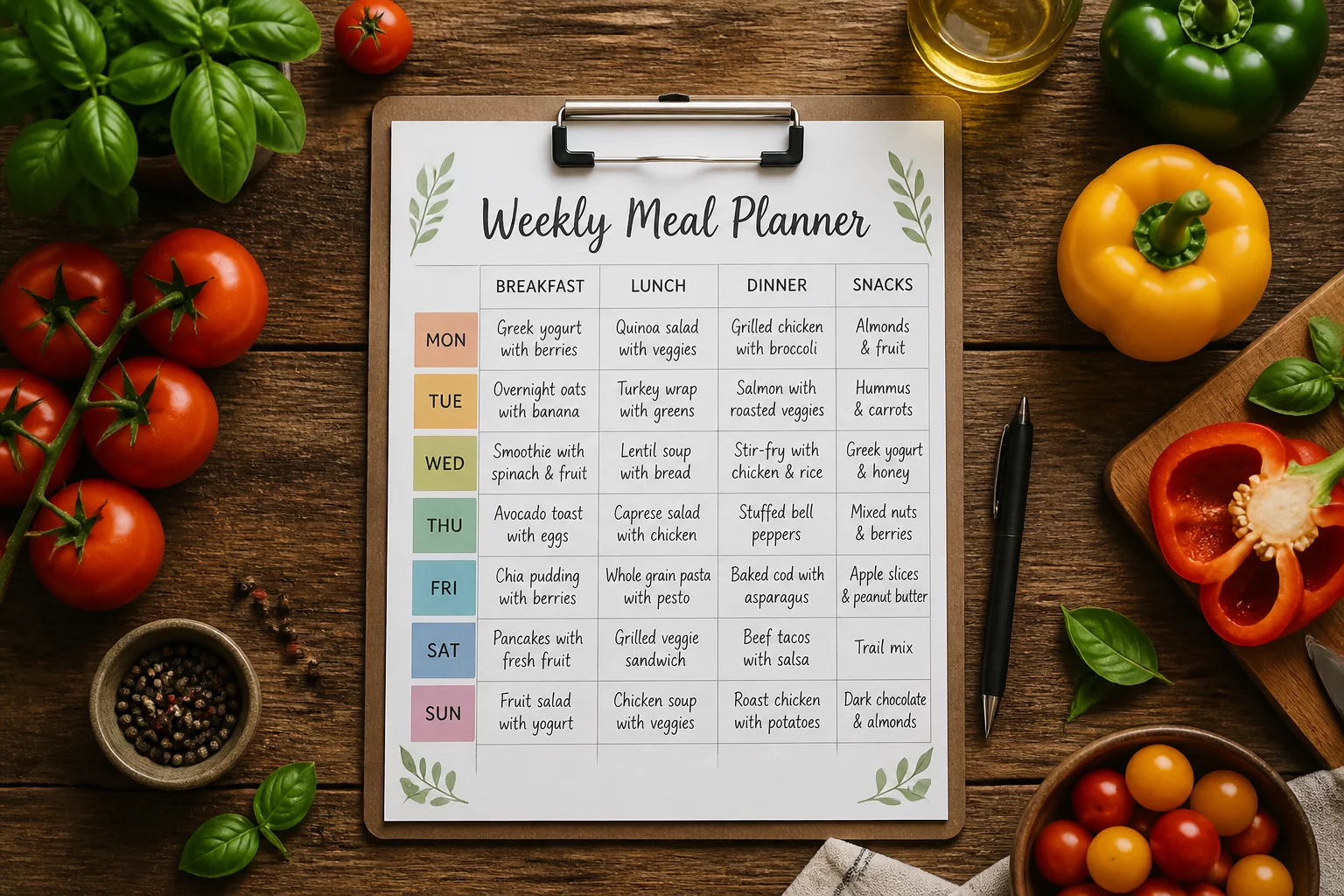
Meal planning is frequently dismissed as a minor organizational task, but when analyzed through the lens of household financial optimization, it emerges as a critical strategy for wealth preservation. Most families struggle with grocery costs not because of high prices alone, but because of a lack of a structured acquisition model. By shifting from reactive shopping to proactive planning, you essentially shut down the most common source of household budget leakage.
The Hidden Cost of Unstructured Food Cycles
Entering a supermarket without a verified list often results in purchasing redundant items, high-margin processed snacks, and perishables that will never be consumed. Research consistently indicates that the average modern household discards nearly a quarter of its purchased food. In financial terms, this represents a recurring 25% loss on investment every single week. Our tool helps visualize this loss by comparing your current spending patterns against a planned consumption model.
How the Savings Tool Optimizes Your Budget
The logic behind the Meal Planning Savings Tool is rooted in the elimination of impulse buys and the maximization of ingredient utility. By accounting for existing pantry stock and selecting recipes with overlapping ingredients, the tool calculates the potential reduction in your weekly checkout total. It forces a confrontation with the true cost of 'convenience' choices versus batch-prepared alternatives.
Practical Steps for Kitchen Efficiency
- Strategic Inventory: It begins with a deep dive into the freezer and pantry. Knowing what you already own prevents the purchase of the third jar of cumin or that extra pack of chicken breasts.
- The Overlap Principle: When selecting meals, prioritize those that share fresh ingredients. If a Monday salad uses half a cucumber, ensure a Tuesday wrap utilizes the rest.
- Batch Preparation: Devoting two hours on a Sunday to prepare bulk grains or proteins removes the friction of cooking during the work week, which is the primary driver of expensive takeout orders.
- Zero-Waste Calibration: Assigning a specific purpose for leftovers ensures that every dollar spent on food translates into actual nutrition rather than compost.
- Seasonal Shopping: Buying produce at its peak availability ensures lower prices and better quality, directly impacting the overall efficiency of your food spend.
Quantifying the Results
Households that strictly adhere to these planning principles typically see a reduction in grocery bills by $150 to $350 per month. This isn't just theory; it is a mathematical certainty that fewer trips to the store and better ingredient utilization lead to higher cash retention. These recovered funds can then be redirected into long-term financial goals, such as emergency funds or retirement contributions, transforming your kitchen into a vital component of your broader economic stability.



Editorial Discussion
No comments yet. This could be your first comment.
Join the conversation