Food waste is not just a burden on the environment; it is a direct leakage from your household budget. When we discard a wilted head of lettuce or a container of forgotten leftovers, we are effectively throwing cash into the trash. In modern households, the complexity of grocery supply chains often masks the true cost of inefficiency. Reducing waste requires a shift from reactive shopping to proactive inventory management and creative culinary reuse.
Strategic Procurement Protocols
Effective waste reduction begins before you even step into the store. Spontaneous shopping is the primary driver of excess. To combat this, implement a rigorous pre-shopping routine. This involves checking the pantry, listing exactly what is needed for planned meals, and strictly adhering to that list. Buying in bulk may seem economical, but if half of the volume spoils before consumption, the per-unit savings are negated.
- Perform an inventory audit of the fridge and pantry every Sunday afternoon.
- Sketch out four or five core meals for the week, allowing for flexibility on the remaining nights.
- Designate a specific shelf in the refrigerator for items that expire within 48 hours.
- Opt for loose vegetables rather than pre-packaged bags to avoid being forced into excess.
Optimizing Storage Environments
Many households waste food simply because it is stored incorrectly. Understanding the micro-climates of your refrigerator and the chemical interactions between different types of produce can significantly extend the lifespan of your groceries. Ethylene-producing fruits, such as apples and bananas, should be kept away from ethylene-sensitive greens to prevent premature ripening and decay.
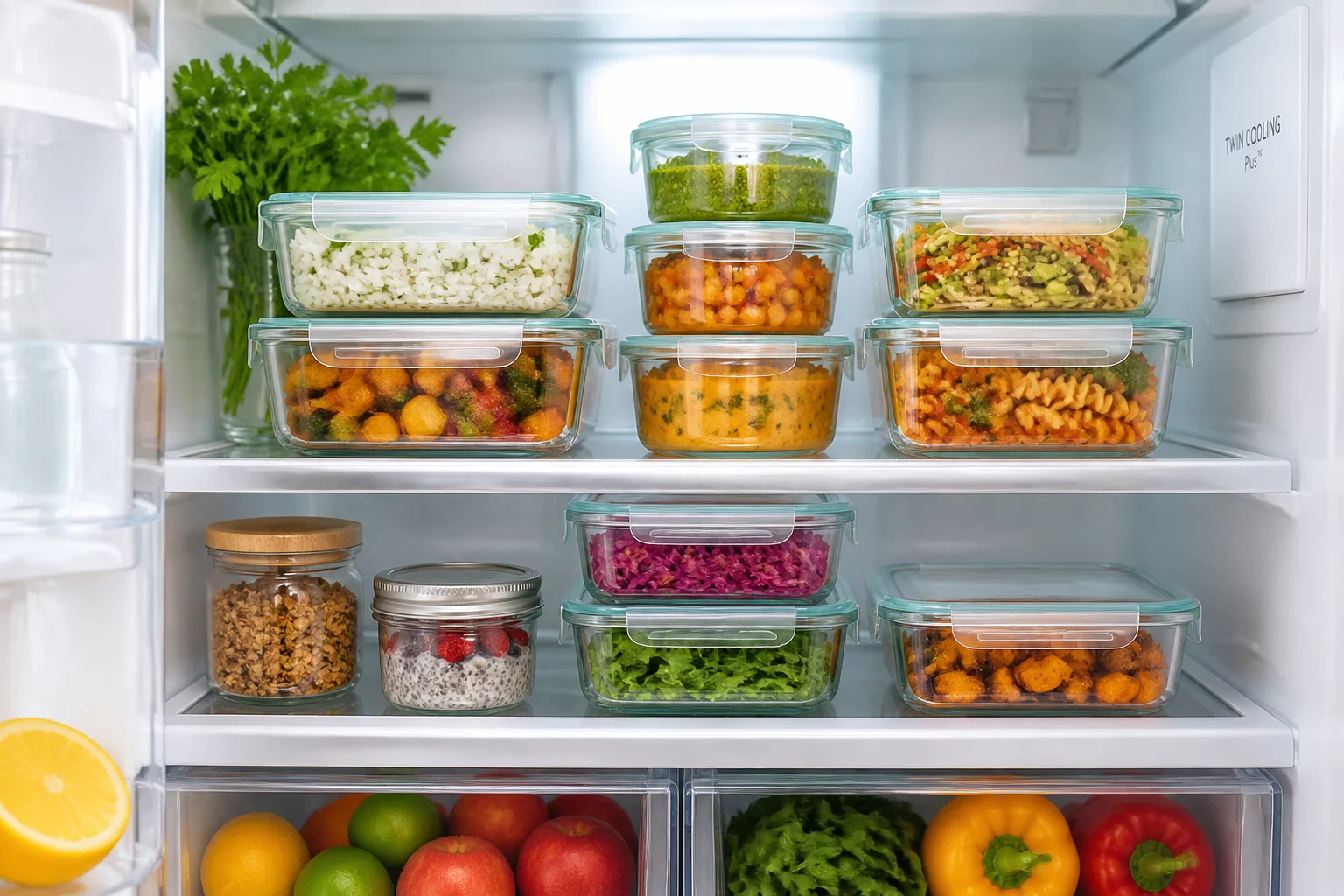
Using transparent glass containers is a simple but transformative tactic. When food is visible, it stays in the active memory of the household. Opaque containers often become forgotten relics in the depths of the fridge until they are no longer safe to eat. Labeling these containers with the date of preparation further removes the guesswork and helps maintain a healthy rotation.
Creative Reuse and Preservation
A waste-nothing kitchen treats every scrap as a potential ingredient. Stems, peels, and bones can be frozen and eventually simmered into nutritious stocks. Stale bread transforms perfectly into croutons or breadcrumbs. Fruits that have lost their aesthetic appeal are often ideal for smoothies or baking. The key is to view past-prime food as a resource rather than a nuisance.
Freezing is perhaps the most powerful tool in the rational consumer's arsenal. Most cooked meals and many raw ingredients can be safely frozen to pause the clock on spoilage. Portioning these items before freezing ensures that only the required amount is thawed, preventing secondary waste. Learning basic preservation techniques like pickling or dehydrating can also turn seasonal surpluses into long-term staples for the pantry.



Editorial Discussion
No comments yet. This could be your first comment.
Join the conversation