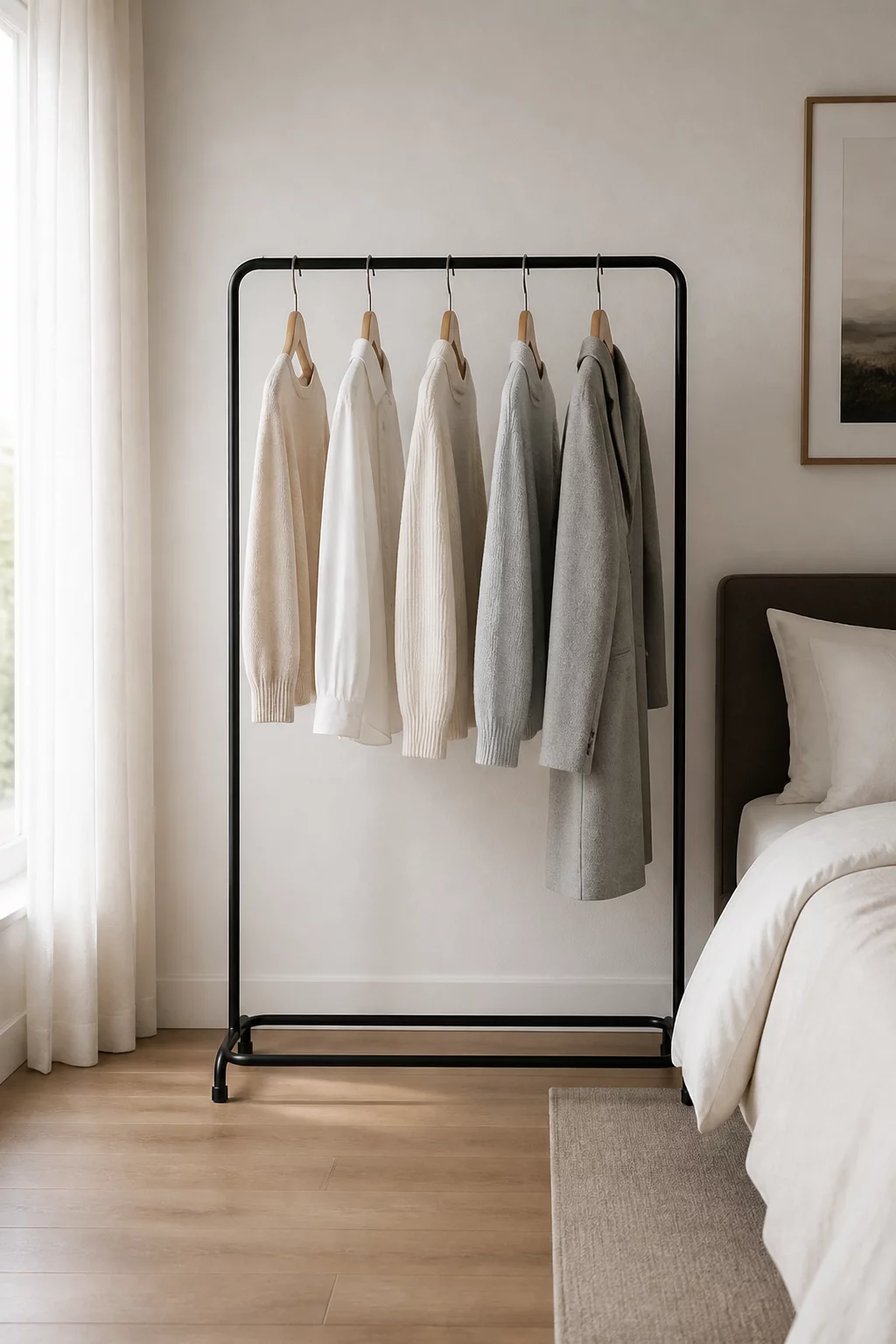
Minimalist wardrobes represent more than just a stylistic choice; they are a fundamental component of rational household consumption. By shifting the focus from fleeting trends to enduring quality, individuals can significantly decrease their annual clothing expenditures while simultaneously enhancing their daily efficiency. The core principle lies in curated selection—owning fewer, higher-quality items that coordinate effortlessly.
The Economics of Quality Over Quantity
The "cost-per-wear" metric is the most effective tool for evaluating wardrobe value. A high-quality cotton shirt costing $80 that lasts for five years is significantly more economical than a $15 fast-fashion alternative that loses its shape after three washes. When you audit your current closet, you likely discover that you wear 20% of your clothes about 80% of the time. Rational consumption focuses on perfecting that vital 20%.
Steps to Building Your Capsule Wardrobe
Transitioning to a minimalist wardrobe does not require discarding everything overnight. Instead, it involves a systematic refinement of your current inventory. Take these steps to begin your journey:
- Identify Your Core Palette: Stick to neutral colors like navy, charcoal, white, and beige. These shades allow for maximum interchangeability across different outfits.
- The Six-Month Rule: Evaluate any garment you have not worn in the last six months. If it doesn't fit or suit your current lifestyle, it is a candidate for resale or donation.
- Invest in Staples: Focus your budget on items that form the foundation of your look: a versatile blazer, well-fitted trousers, and high-quality footwear.
- Prioritize Fabric Integrity: Look for natural fibers such as wool, silk, and organic cotton. These materials breathe better and withstand the rigors of frequent cleaning far better than synthetics.
Maintenance: Extending the Lifecycle
Longevity is the hallmark of a minimalist wardrobe. Proper maintenance ensures your investments remain in pristine condition for years. This includes following specific laundering instructions, using high-quality hangers to maintain garment shape, and addressing minor repairs—such as loose buttons or small tears—before they necessitate replacement. By treating your clothing as long-term assets, you minimize the need for recurring capital outlays in your household budget.
Rational Shopping Strategies
When adding new items to your minimalist collection, avoid impulsive decisions. Wait at least 48 hours before finalizing any clothing purchase. Ask yourself if the item fills a specific gap in your capsule and if it can be styled in at least three different ways with existing pieces. This disciplined approach eliminates "clutter spending" and ensures every dollar spent contributes to a more efficient, functional wardrobe.


Editorial Discussion
This could be your first comment. Share your perspective on building a minimalist wardrobe below.
Join the conversation