
The Rational Consumption Paradox
In a world of rapidly evolving technology and fast fashion, the choice between repairing an old item and purchasing a new one has become increasingly complex. It is not just about the upfront cost; it involves evaluating long-term utility, environmental ethics, and the psychological satisfaction of maintaining one's possessions. We explore how to navigate this decision-making process without falling into the trap of constant consumption.
Applying the 50 Percent Rule
The most basic financial guideline is simple: if a repair costs more than half the price of a replacement, you should generally buy new. However, this rule requires nuance. A high-quality vintage leather jacket is worth a $100 zipper repair because a modern $200 replacement will likely be made of inferior materials. Conversely, a budget-grade microwave that costs $80 to fix but $100 to replace is a clear candidate for the recycling bin. Always weigh the intrinsic quality of the original item against the potential quality of its modern successor.
Age and Technological Obsolescence
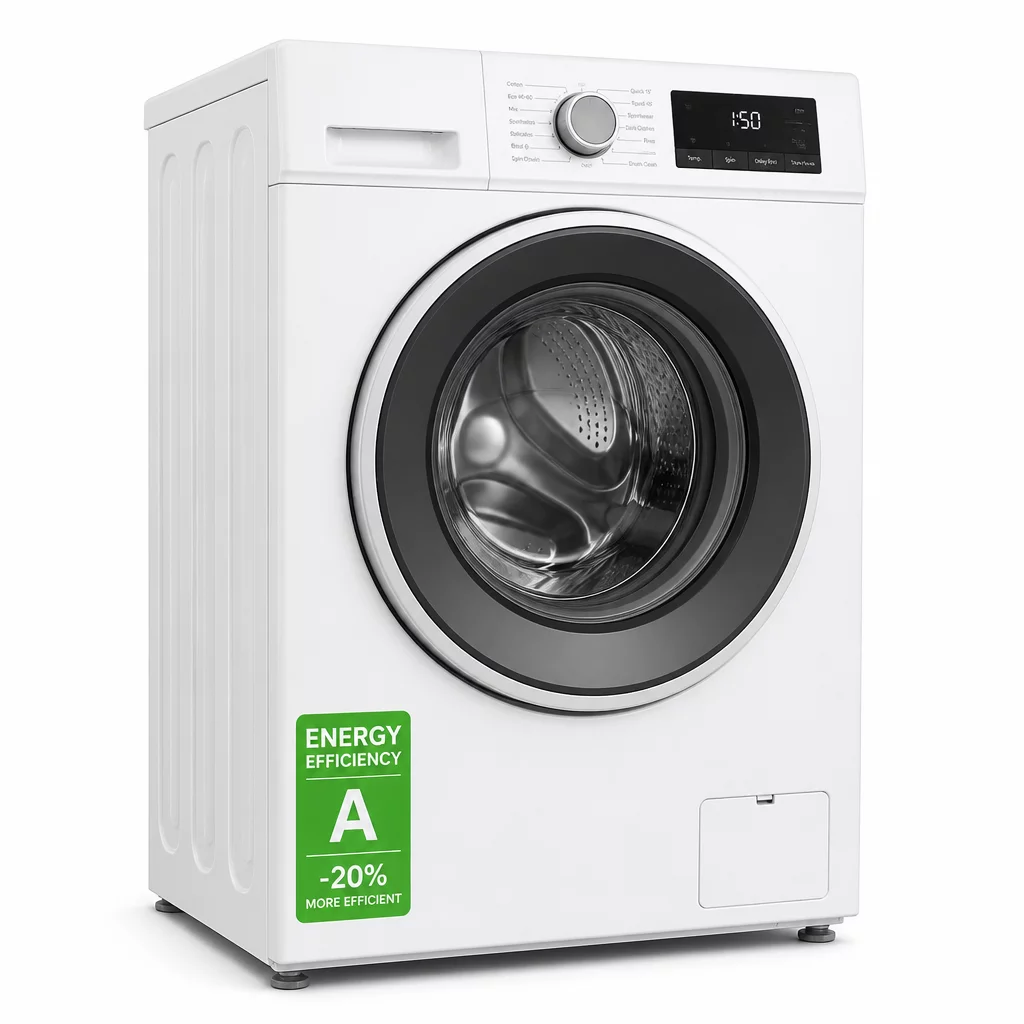
Appliances and electronics have specific lifespans. A ten-year-old refrigerator might still function, but its energy consumption could be three times that of a modern Energy Star-rated model. In this case, the repair is actually a long-term financial drain. For smartphones and computers, the issue is software compatibility. If a device can no longer receive security updates, a repair—no matter how cheap—is a temporary band-aid on a sinking ship. You must assess if the hardware can still serve its primary purpose effectively in today's digital ecosystem.
The Environmental Perspective and Right to Repair
Every new item produced requires raw materials, energy for manufacturing, and transportation fuel. By choosing to repair, you are actively reducing your carbon footprint. Many modern consumers are joining the Right to Repair movement, advocating for accessible parts and manuals. Before giving up on a broken item, check for local repair cafes or online communities. Often, a small component and thirty minutes of effort can breathe new life into an expensive monitor. It turns a consumer into a steward of their environment.
Hidden Costs of Replacement
Replacing an item often brings hidden stressors: the time spent researching new models, the learning curve of a new interface, and the hassle of disposing of the old unit. Repairing keeps the status quo, which in a busy household, is often a value in itself. Before you click add to cart, ask yourself if you are buying a solution or just a temporary thrill from a new purchase.


Editorial Discussion
No comments yet. Be the first to leave a comment.
Join the conversation