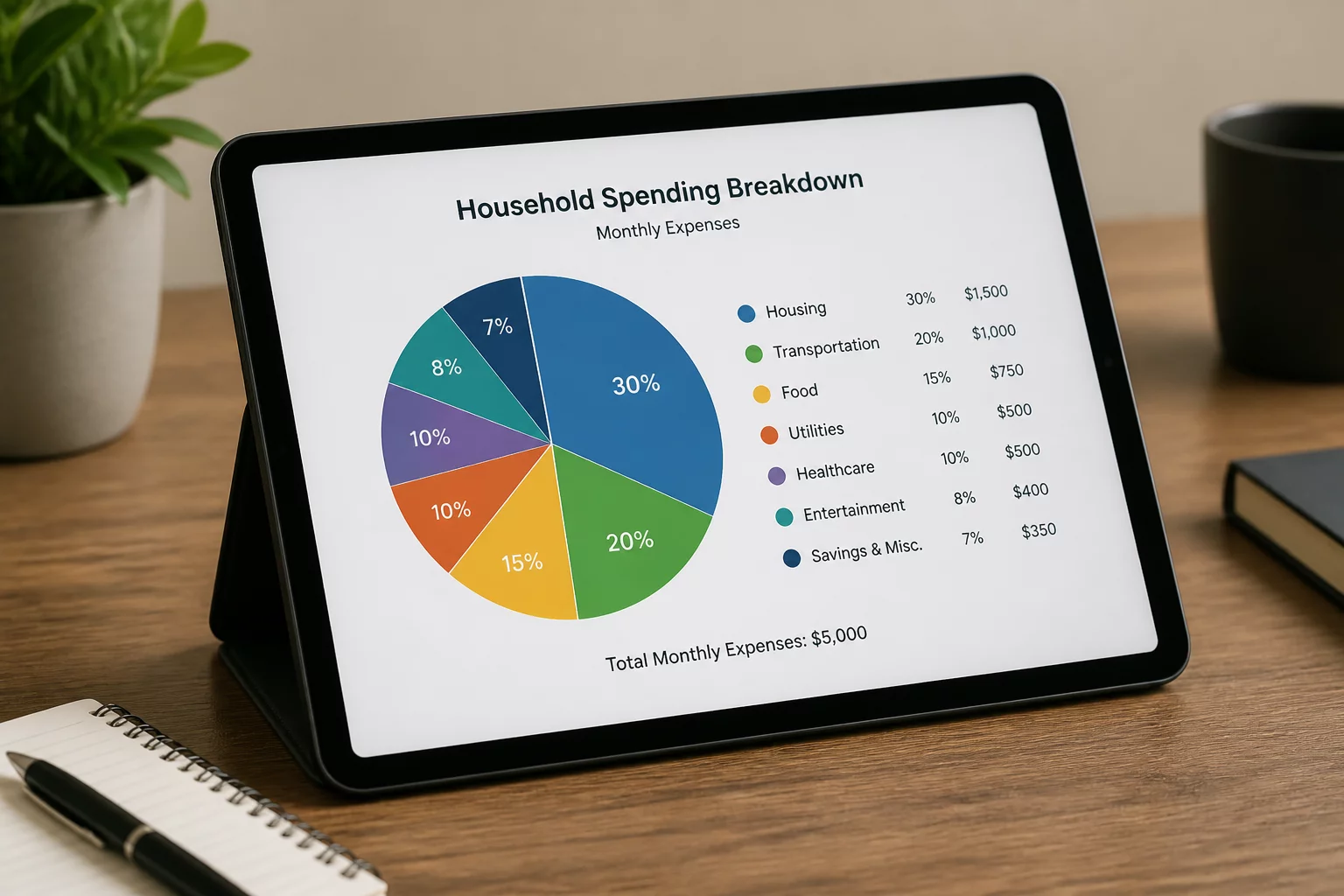
Flexible spending, often categorized as discretionary expenses, represents the portion of your household budget that you have direct, immediate control over. Unlike fixed costs such as mortgage payments or car insurance premiums, these expenses fluctuate based on your choices, lifestyle habits, and daily decisions. Recognizing the difference between a "need" and a "want" is the cornerstone of any successful financial review.
The Core Categories of Flexible Costs
To begin your analysis, you must look beyond the obvious. While we often think of flexible spending as just "fun money," it actually permeates several essential areas. In it, you will find opportunities to save without drastically altering your standard of living. Consider these primary sectors:
- Dining and Food: The difference between a basic grocery list and premium organic imports or frequent restaurant visits.
- Entertainment and Leisure: Digital streaming services, cinema tickets, and recreational outings.
- Personal Care: Specialized salon treatments versus basic hygiene maintenance.
- Household Upkeep: Decorative items, non-essential gadgets, and luxury cleaning services.
Identifying Hidden Financial Leakages
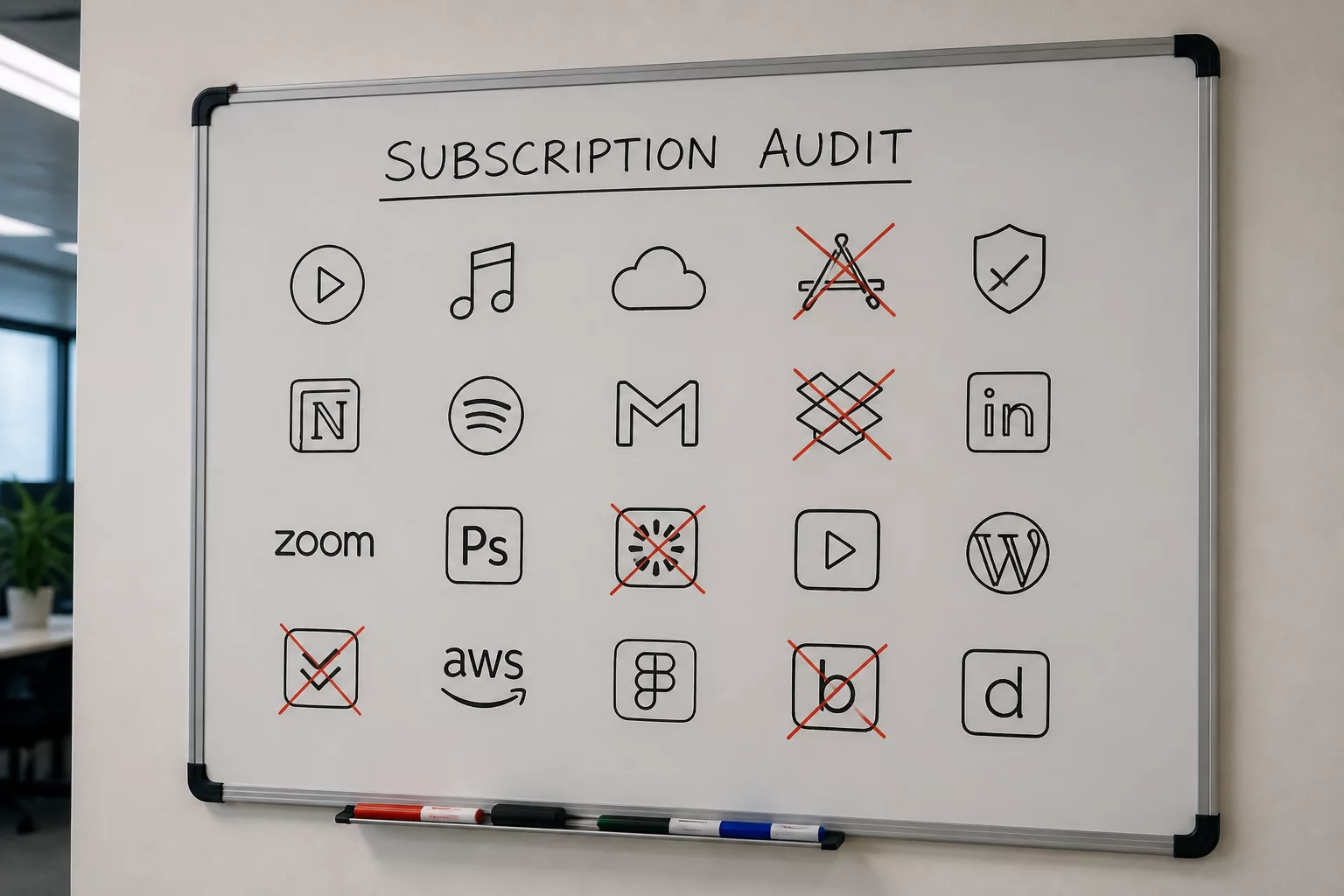
Leakages are those small, frequent expenses that individually seem insignificant but collectively drain hundreds of dollars from a monthly budget. They often hide in plain sight. For example, a daily specialty coffee or an automated app subscription you no longer use are classic leakages.
The "Convenience Tax"
Many flexible expenses are actually premiums we pay for convenience. Delivery fees for meals, expedited shipping for non-urgent items, and pre-cut vegetables are choices. By identifying where you pay extra for time, you can decide if the trade-off is truly worth the impact on your savings goals.
The Analytical Approach: High, Medium, and Low Impact
When reviewing your expenses in a tool like Quicken or a dedicated workbook, label each discretionary item by its impact on your happiness versus its cost. High-cost, low-happiness items should be the first to be eliminated. Conversely, low-cost items that bring significant joy should be protected to prevent "budget burnout."
Regularly auditing these categories allows you to pivot your spending toward your true priorities, such as an emergency fund or a long-awaited family vacation. It is not about deprivation; it is about intentionality and making every dollar serve a specific purpose in your household hierarchy.

Editorial Discussion
No comments yet. Be the first to share your perspective on identifying flexible spending.
Join the conversation