
Managing a household involves a constant stream of financial transactions that often go unnoticed until the end-of-month review. Daily expense tracking acts as the primary sensory organ for your budget, capturing data points that reveal the true health of your financial ecosystem. Without this granular visibility, even the most robust annual plan remains a theoretical exercise. By documenting every purchase, from the morning coffee to the unexpected plumbing repair, you establish a reliable foundation for data-driven decisions.
The Psychology of Micro-Transactions
Awareness increases naturally when the act of spending is immediately paired with the act of recording. This neurological feedback loop discourages impulsive behavior and creates a psychological barrier against "phantom expenses"—those small, frequent costs that drain accounts without leaving a trace in the memory. It is not just about the math; it is about reclaiming control over the narrative of your money.
Choosing Your Tracking Methodology
Selecting a method that fits your lifestyle is critical for maintaining consistency over the long term. Several proven approaches exist, and the right one depends on your relationship with technology and your need for detail.
- Digital Synchronization: Using mobile applications that link directly to your bank accounts for automated categorization.
- The Receipt Collection Ritual: Gathering physical receipts throughout the day and entering them into a master ledger every evening.
- Voice-to-Text Logging: Utilizing smart assistants to dictate expenses as they happen, ensuring no transaction is forgotten.
- The Manual Notebook Approach: Writing down purchases in a pocket-sized planner, which reinforces memory and intentionality.
- Excel-Based Dashboards: Entering daily totals into a custom spreadsheet for those who require advanced data visualization.
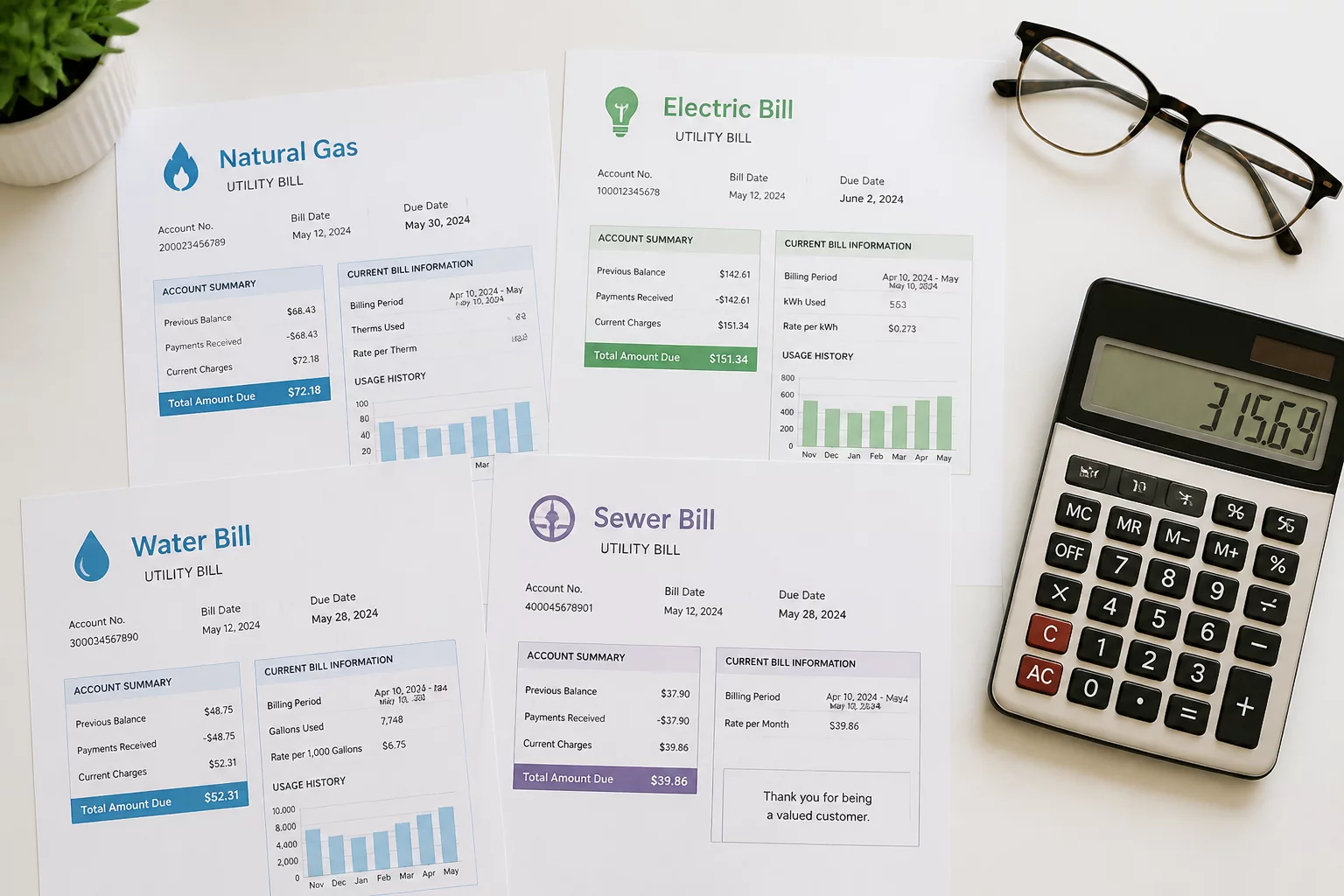
- Photo-Journaling Receipts: Taking quick snapshots of all physical bills to ensure a digital paper trail for later entry.
Refining the HouseholdPulse Methodology
Effective tracking requires more than just a list of numbers; it requires context. When you log an expense, you should include a brief note about the "why" behind the purchase. Was it a necessity, a planned indulgence, or an emotional reaction to a stressful day? This qualitative data is what makes the HouseholdPulse Workbook uniquely effective, as it transforms simple accounting into a comprehensive behavioral study of your household's financial character.
Overcoming the Consistency Barrier
Most tracking initiatives fail within the first two weeks because they feel like a chore. To prevent this, you should set a specific time each day for your financial check-in. Treating this five-minute window as a non-negotiable appointment with your future self changes the dynamic from a burden to an investment. Once the habit crystallizes, the anxiety of not knowing where your money went is replaced by the confidence of complete transparency.
Editorial Discussion
No editorial discussions yet. Be the first to share your perspective on daily expense tracking.
Join the conversation