Cracking the Code of Your Monthly Utility Statements
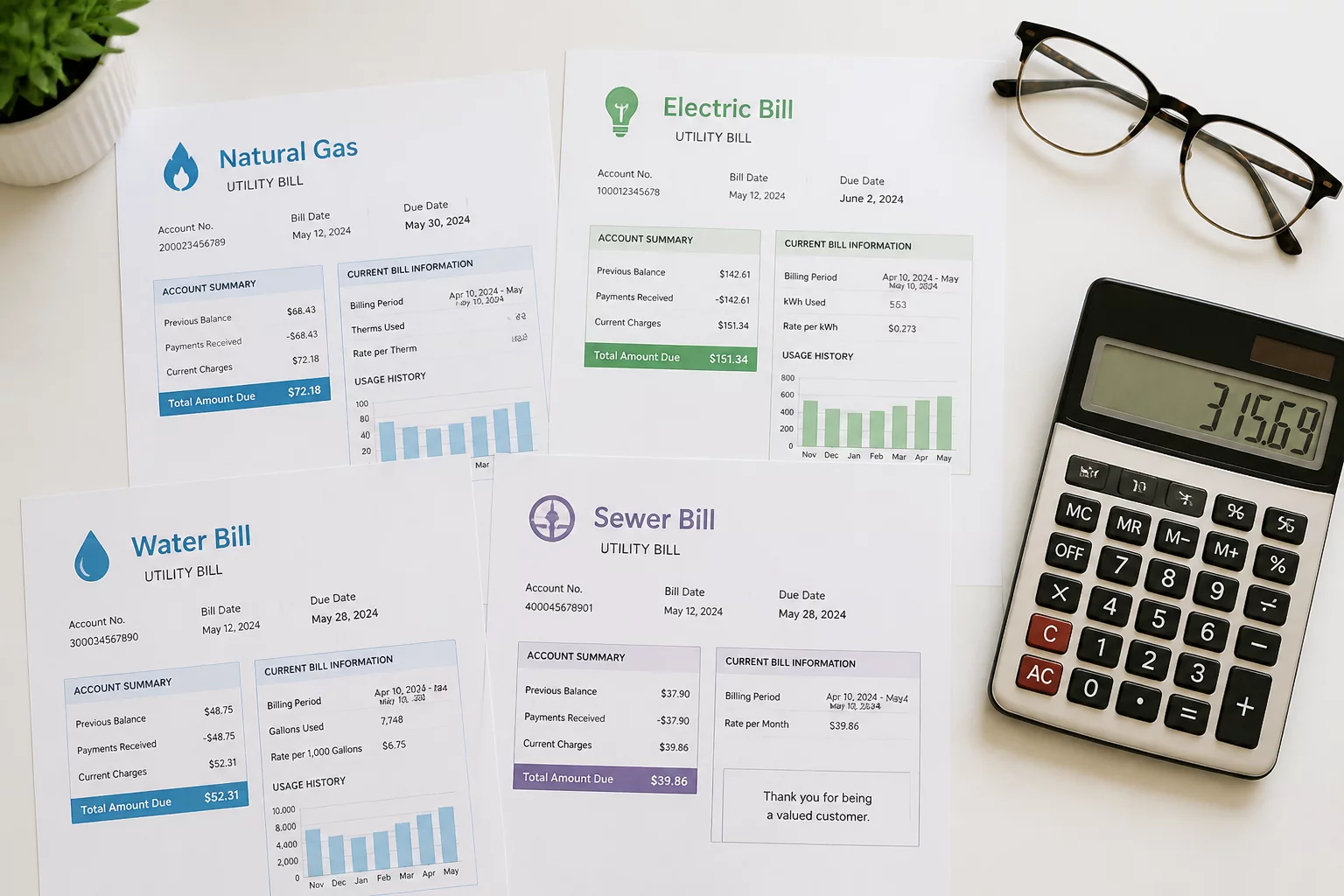
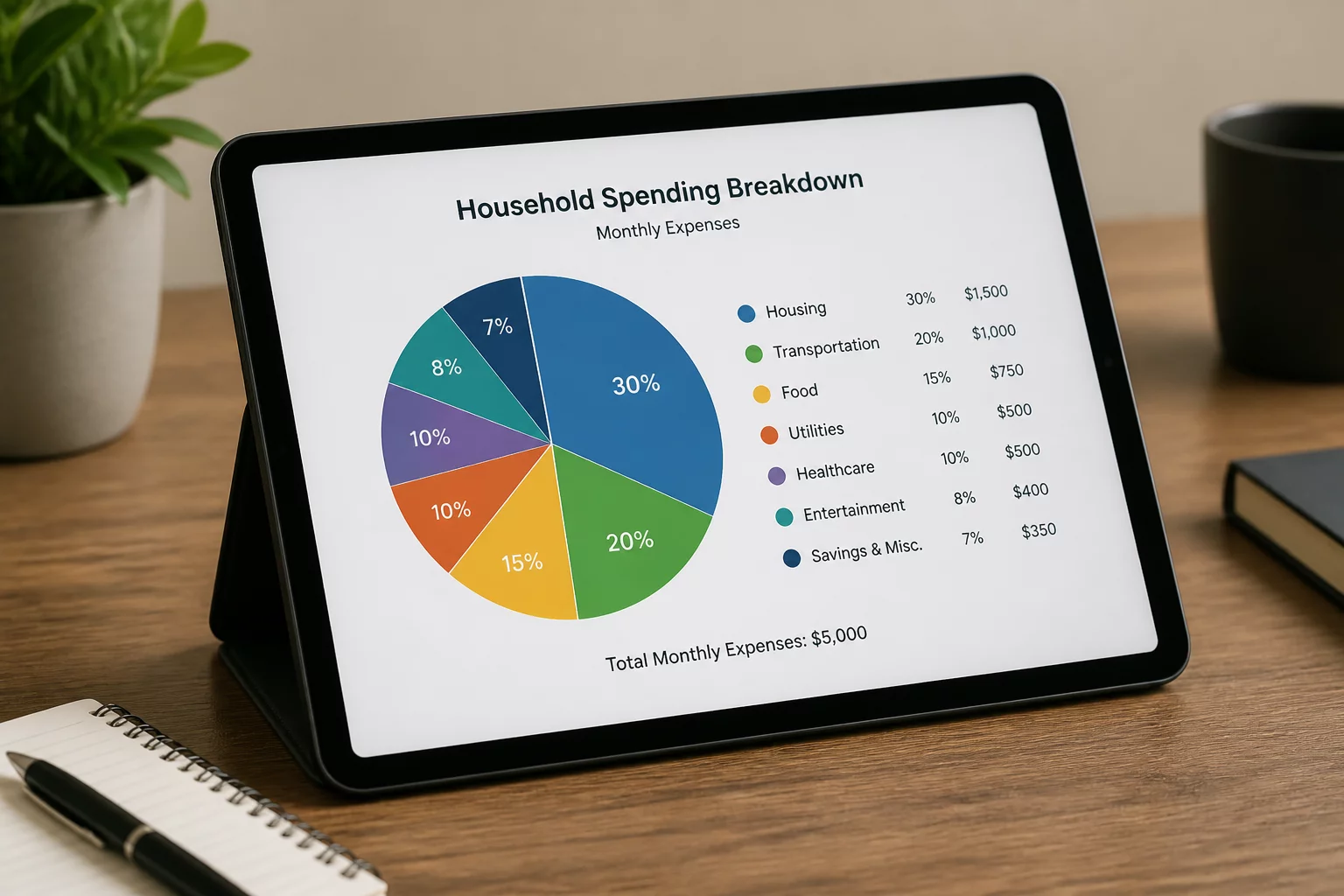
Most households treat utility bills as inevitable expenses, barely glancing at the usage charts before hitting the pay button. However, analyzing utility costs is one of the most effective ways to reclaim control over your monthly budget. It involves moving beyond the total dollar amount to understand the specific variables—kilowatt-hours, therms, and gallons—that dictate your lifestyle's price tag. By identifying where your resources are going, you can implement changes that lead to substantial long-term savings.
The Primary Culprits of High Utility Bills
Heating and cooling usually account for nearly half of the average home's energy consumption. When you analyze your gas or electric bill, look for seasonal spikes that correlate with extreme temperatures. If your winter heating costs are disproportionately high compared to previous years, it might indicate a failing furnace or poor attic insulation. Water usage is another area often overlooked. A single leaking faucet can waste hundreds of gallons a month, while inefficient showerheads can double the cost of every morning routine. Pay close attention to your sewer charges, as they are often tied directly to your water inflow.
Strategic Steps for a Utility Audit
To conduct a proper audit, you should organize your data points across a full calendar year. This provides a baseline that accounts for weather volatility. Consider these three steps for your review:
- Comparison Analysis: Compare your current bill not just to last month, but to the same month last year to account for seasonal weather patterns.
- Peak vs. Off-Peak Usage: Many providers charge higher rates during peak hours. Shifting laundry or dishwasher cycles to evenings or early mornings can slash electricity costs without changing your actual consumption volume.
- Baseload Tracking: Unplug non-essential electronics to determine your phantom load—the energy consumed when nothing is ostensibly on.
Investing in Efficiency Upgrades
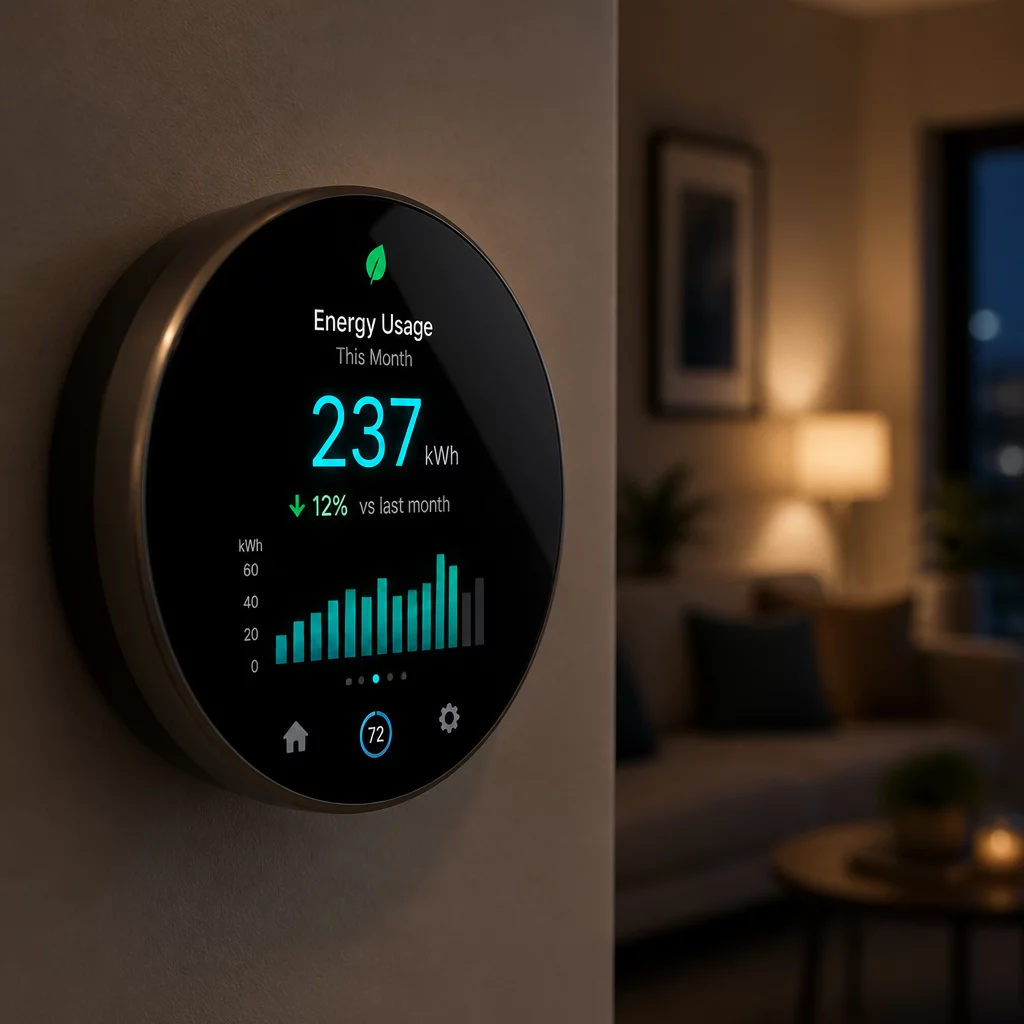
While behavioral changes cost nothing, some financial investment in efficiency can yield a high return on investment. Smart thermostats learn your schedule and adjust temperatures automatically when you are away. Upgrading to LED lighting is perhaps the simplest win; these bulbs use significantly less energy than traditional incandescents. If your analysis reveals high water costs, installing low-flow aerators on faucets and dual-flush toilets can significantly reduce monthly volumetric charges. These modifications transform your household from a passive consumer into an efficient unit.

Editorial Discussion
No comments yet. Be the first to leave a comment by sharing your experience with utility cost analysis.
Join the conversation