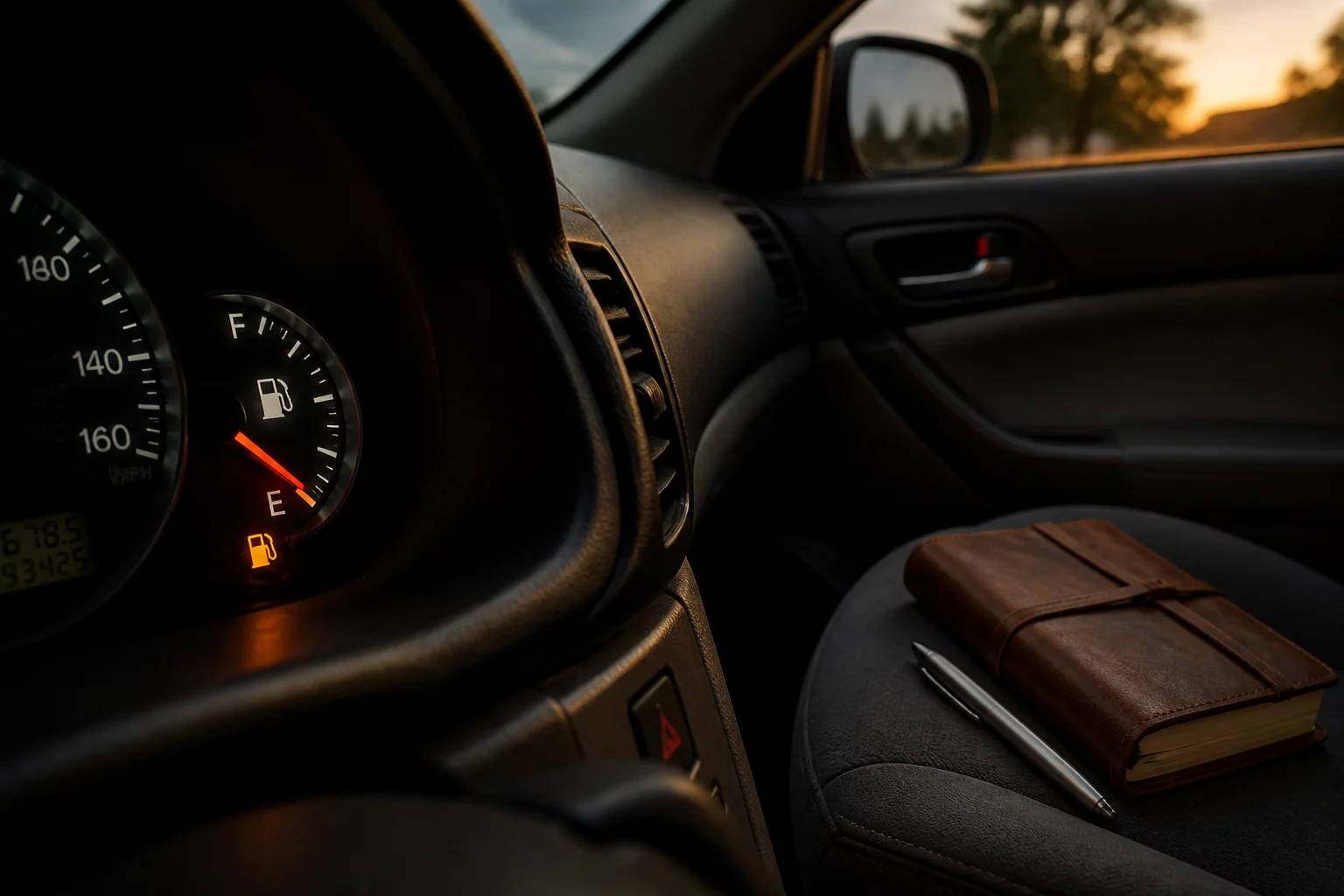
Transportation represents one of the most significant line items in a typical household budget, second only to housing. While most families focus on the monthly car payment or the price of fuel, the actual cost of mobility includes a complex web of depreciation, insurance, incidental parking, and long-term maintenance. Maintaining a rigorous transportation expense log is the first step toward reclaiming control over these often-overlooked financial leaks.
The Hidden Structure of Commute Costs
To truly understand where your money goes, you must categorize expenses into three distinct buckets: fixed, variable, and public transit. Fixed costs, such as loan interest and comprehensive insurance premiums, remain relatively static regardless of how many miles you drive. Variable costs, however, are the most deceptive. A fuel-efficient car might save on gas, but if you work in an urban center, monthly parking fees and daily tolls can quickly exceed the cost of the fuel itself.
Developing Your Tracking Methodology
A successful log doesn't just list numbers; it provides context. When documenting a fuel purchase, note the mileage on the odometer to track fuel efficiency over time. If you use ride-sharing services, record the reason for the trip. Was it a necessity because public transit was unavailable, or a convenience choice? Understanding the "why" behind the spending allows for more rational decision-making during the monthly budget review.
- Fuel & Electricity: Every gallon or kWh used for transit must be logged at the point of sale.
- Maintenance & Repairs: Include scheduled oil changes alongside unexpected tire replacements.
- Incidentals: Parking, tolls, car washes, and registration fees often go uncounted.
- Transit & Shared Rides: Bus passes, train tickets, and on-demand mobility services.
Analyzing the Data for Long-term Strategy
After tracking your expenses for a full quarter, patterns will emerge. You may find that maintaining a second vehicle for occasional use is more expensive than utilizing a combination of car-sharing and public transit. Alternatively, the data might highlight that a specific route to work, while shorter, costs significantly more in bridge tolls and brake wear. By visualizing these costs, households can transition from reactive spending to proactive financial planning, choosing the most efficient mode of transport for their specific needs.
Remember that the goal of a transportation log isn't necessarily to spend less, but to spend better. Every dollar saved on an inefficient commute is a dollar that can be redirected toward your family's emergency fund or holiday savings. Consistency in data entry ensures that your financial workbook remains a living document that reflects the reality of your mobile life.

Editorial Discussion
No comments yet. Be the first to leave a comment.
Join the conversation