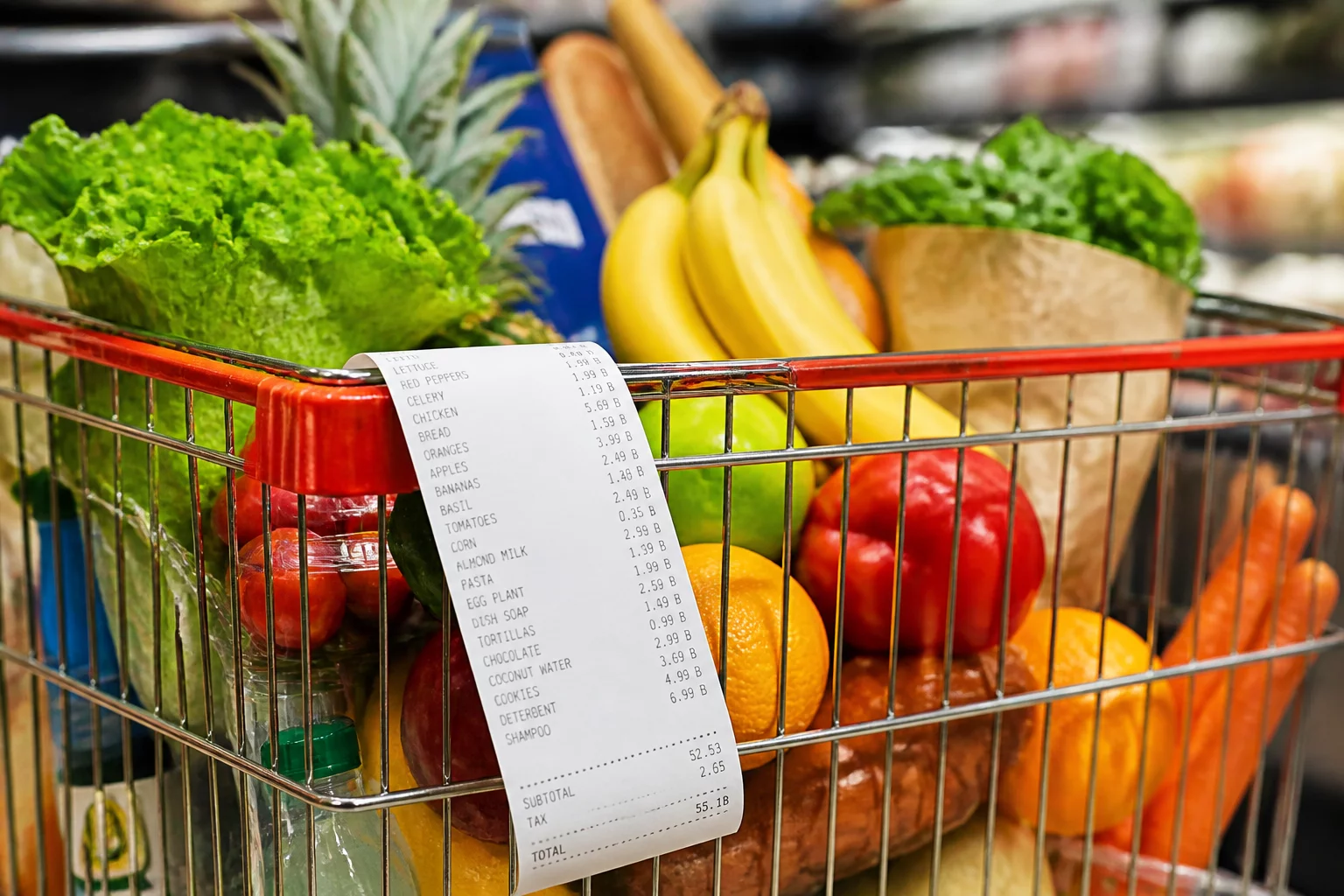
Grocery spending represents one of the most flexible yet potentially draining categories in any household financial plan. Unlike fixed costs like mortgages or insurance premiums, the amount spent at the supermarket fluctuates weekly based on dietary choices, shopping frequency, and market volatility. Conducting a regular review of these expenses allows a household to reclaim control over its cash flow without necessarily sacrificing nutritional quality.
Understanding the Cost Drivers
Several factors influence the total at the bottom of a grocery receipt. Seasonal variations in produce pricing often catch shoppers off guard, as do the subtle shifts in unit pricing between bulk packages and individual items. A systematic review identifies these patterns, revealing whether a household is paying a premium for convenience or brand loyalty. It is common to find that a significant portion of the budget is consumed by non-essential items that were not on the original shopping list, often driven by supermarket psychology and tactical shelf placements.
The Receipt Audit Methodology
A successful review begins with data. By collecting receipts over a four-week period, one can categorize expenditures into staples, proteins, fresh produce, and discretionary treats. This audit reveals the "convenience tax" — the extra cost paid for pre-cut vegetables or individual snack portions. Furthermore, checking the pantry inventory before each shopping trip prevents the duplication of items already in stock, which is a primary cause of avoidable food waste and financial leakage.
Tactical Optimization Strategies
Once the audit identifies where the capital flows, the household can apply specific tactical changes. Transitioning to store-brand staples for items like grains or canned goods often results in immediate savings with no discernable change in quality. Additionally, aligning shopping trips with local sales cycles and utilizing a bulk-buying efficiency tool for shelf-stable goods can drastically reduce the cost per unit. It is also beneficial to designate specific "no-spend" weeks where meals are created entirely from existing pantry stock to reset the budget baseline.
Maintaining Long-term Consistency
Financial literacy is not a one-time event but a continuous process. A monthly review of grocery trends helps the household adjust to inflationary pressures in real-time. By observing which categories are rising in price, shoppers can substitute expensive ingredients with more economical, yet equally nutritious alternatives. This proactive approach ensures that the grocery budget remains a tool for financial freedom rather than a source of stress. Regular analysis turns a mundane chore into a strategic component of the broader family financial strategy.

Editorial Discussion
No comments yet. Be the first to share your thoughts on grocery budgeting!
Join the conversation