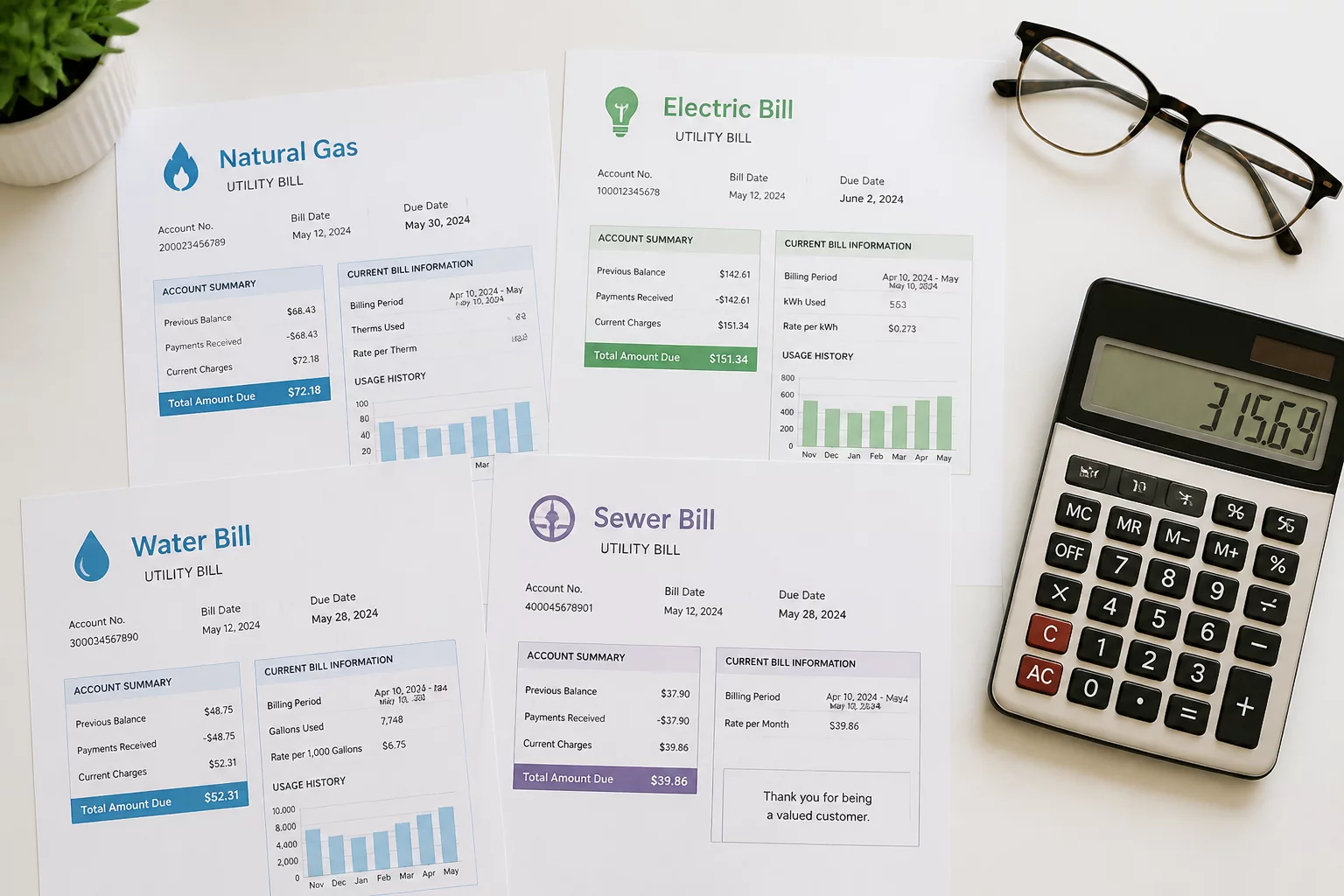
Effective budgeting isn't merely about tracking how much money flows out of your account; it is fundamentally about understanding the nature of those outflows. Categorization serves as the architectural foundation of any robust household financial plan. Without a clear system to distinguish between a mandatory mortgage payment and an elective streaming subscription, your data remains a chaotic list of transactions rather than a strategic roadmap.
The Primary Tiers: Fixed vs. Variable Costs
The most critical distinction in your monthly review involves separating fixed costs from variable ones. Fixed expenses are those that remain constant and predictable, such as rent, insurance premiums, or scheduled debt repayments. These items form the "non-negotiable" base of your budget. They are generally paid on a set schedule and rarely change without significant life transitions.
Variable expenses, by contrast, fluctuate based on usage or external factors. Utility bills, grocery spending, and transportation costs fall into this category. While these are often necessary for survival, they offer room for optimization. In it, you can find the first opportunities for savings by adjusting consumption habits, such as reducing peak-hour energy usage or meal planning to minimize grocery waste.
Managing the Discretionary "Gray Area"
Discretionary spending often represents the largest "leakage" in household finances. These are the costs associated with lifestyle choices rather than survival or contractual obligations. Dining out, entertainment, and hobby-related purchases populate this tier. In our editorial methodology, we recommend treating these as a separate entity that can be scaled up or down depending on the surplus remaining after fixed and variable needs are met.
Methodological Tools for Classification
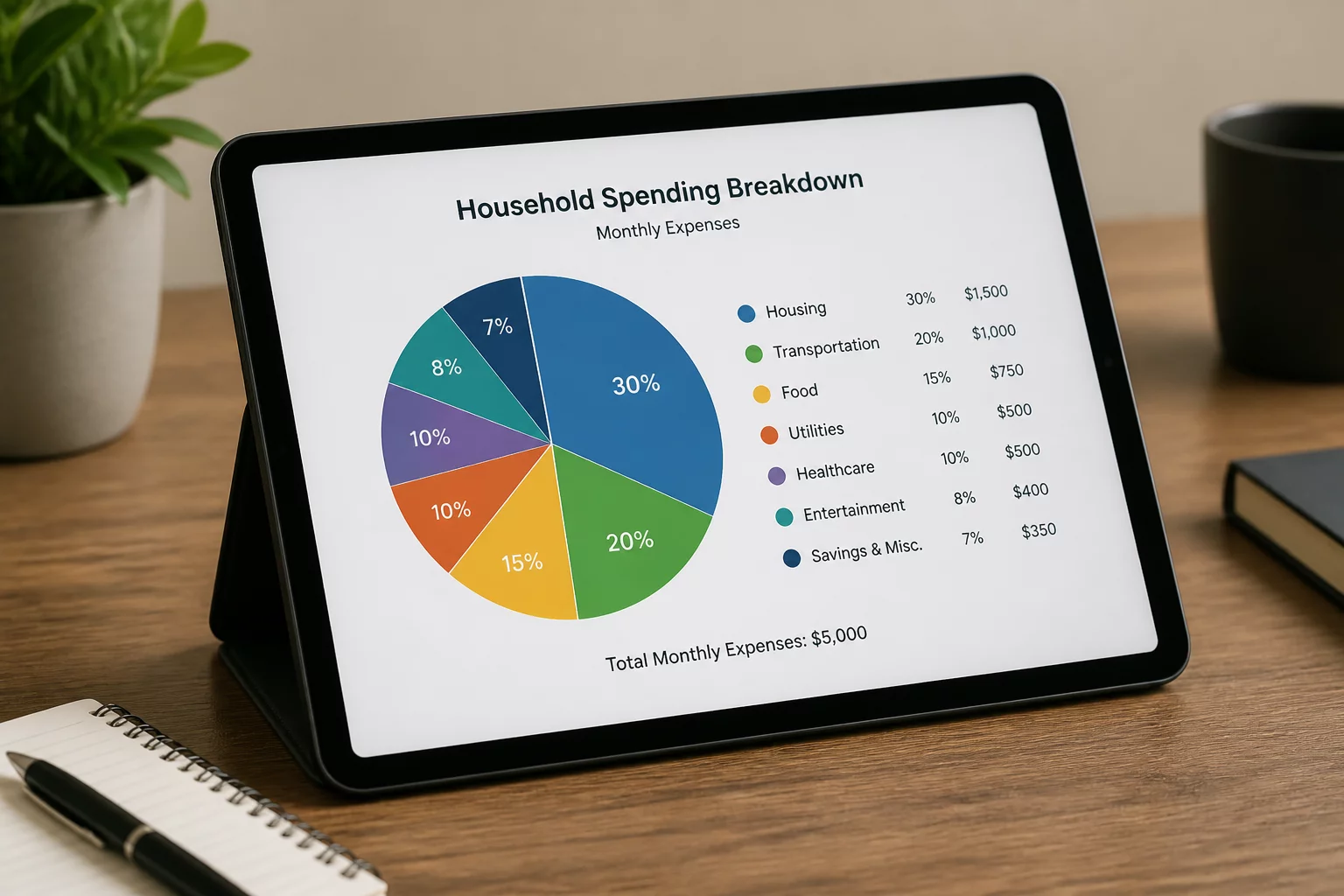
To implement these categories effectively, many households adopt the "Three-Bucket" approach. This involves labeling every incoming bill under one of three headings: Survival (Housing, Core Utilities), Sustenance (Food, Health), and Lifestyle (Leisure, Subscriptions). By viewing your expenses through these lenses, you can immediately identify which categories possess the highest elasticity during financially lean months.
Regularly auditing these categories prevents "lifestyle creep," where discretionary spending slowly reclassifies itself as a necessity in your mind. The discipline of categorization ensures that every dollar has a defined purpose, moving you closer to a state of rational consumption and long-term financial stability.


Editorial Discussion
There are currently no editorial discussions on this topic. Be the first to share your approach to bill categorization.
Join the conversation