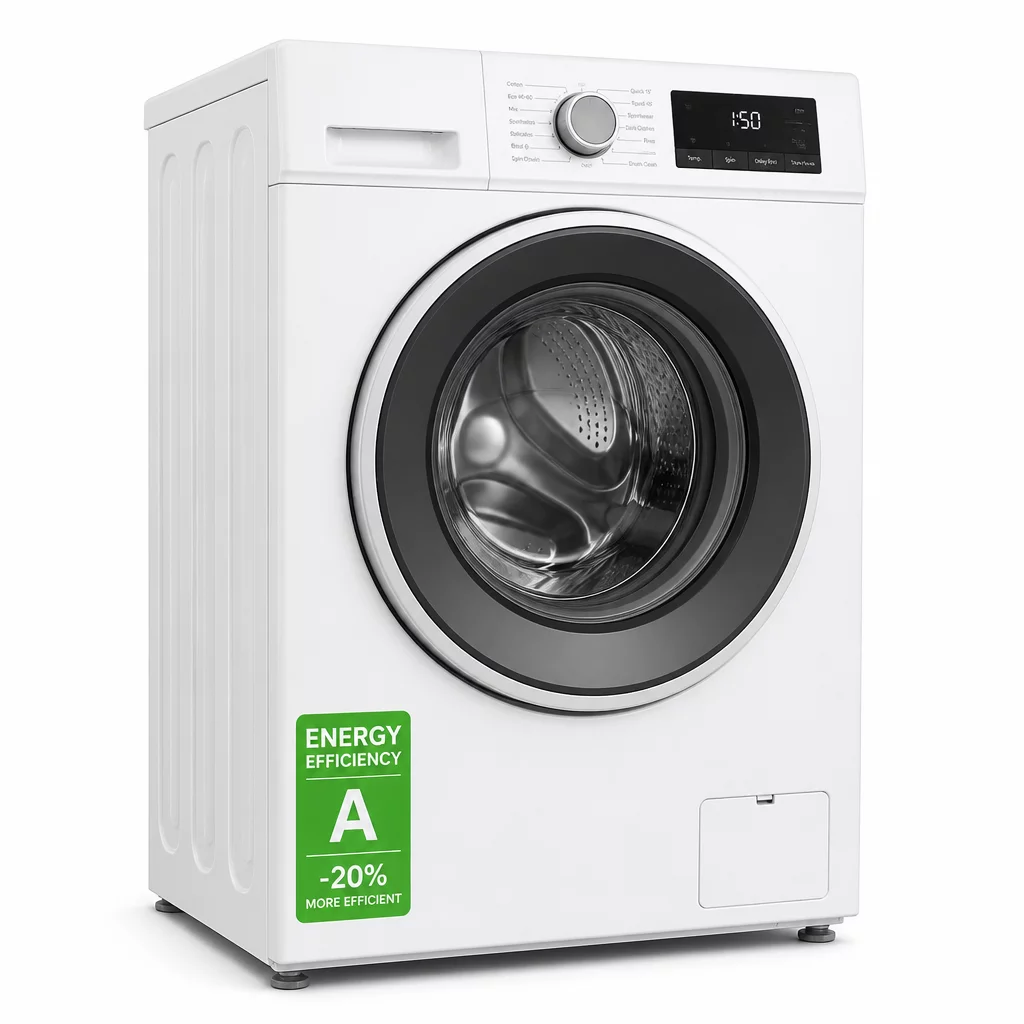
Switching to energy-efficient appliances is often the single most effective way to reduce recurring household expenses. While the initial investment might seem daunting, the cumulative savings on electricity and water bills usually pay for the upgrade within a few years. Modern appliances leverage advanced technologies like inverter compressors and smart sensors to perform better while drawing significantly less power from the grid.
The Significance of Energy Ratings
Before making a purchase, identifying the Energy Star label or local efficiency ratings is crucial. These certifications aren't just marketing fluff; they represent rigorous testing standards that ensure the unit operates at peak performance with minimal waste. For instance, a refrigerator with a top-tier rating can consume up to 40% less energy than older models manufactured a decade ago. It involves looking at the kilowatt-hours (kWh) per year listed on the yellow tag to estimate the true operating cost before the item ever enters your home.
Strategic Appliance Upgrades
Not all appliances impact your budget equally. The heating, ventilation, and air conditioning (HVAC) system typically accounts for the largest portion of home energy use. Investing in a high-efficiency heat pump or a smart thermostat allows for precise temperature control, preventing the system from cycling unnecessarily. Next on the list is the water heater; switching to a tankless model or a hybrid heat pump version can drastically lower gas or electric consumption compared to traditional tank-style heaters.
The Washing Machine and Dishwasher Factor
Modern laundry units have revolutionized water usage. Front-loading machines use gravitational force instead of a central agitator, requiring significantly less water and detergent. Similarly, a modern dishwasher uses less water than hand-washing a full load of dishes. By selecting the 'Eco' mode or running these machines only during off-peak hours, you further optimize your utility spending and reduce the strain on local infrastructure.
Maintenance for Longevity
Efficiency isn't just about the hardware; it's about upkeep. Dusting refrigerator coils, cleaning lint filters in dryers, and descaling dishwashers ensures that the internal motors don't have to work overtime. A neglected appliance slowly loses its efficiency rating, costing you more money every month. Regular maintenance keeps the performance levels near the factory standard for the duration of the unit's lifespan, protecting your initial investment.
Editorial Discussion
No comments yet. Be the first to leave a comment and share your experience with energy-efficient upgrades.
Join the conversation