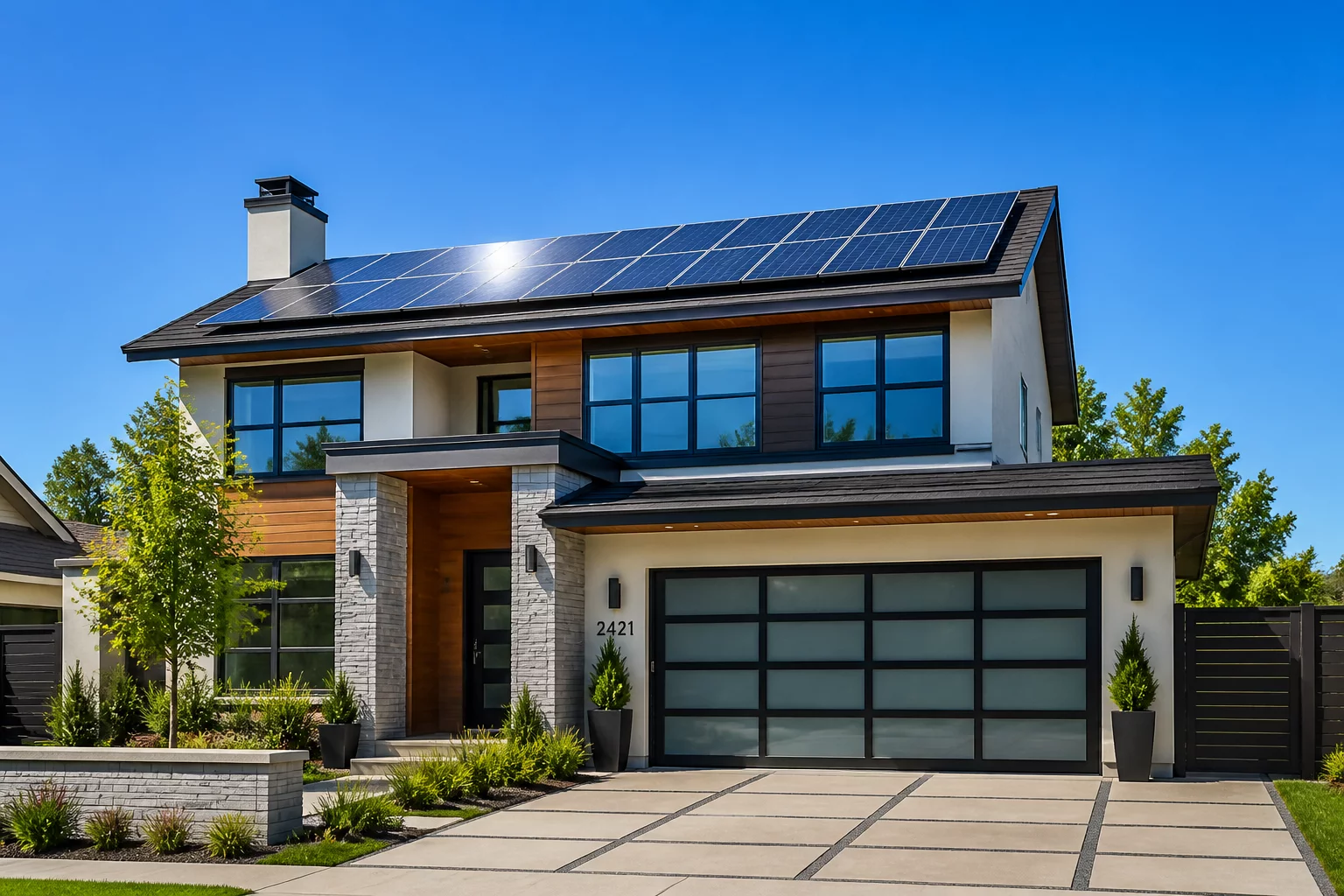
Upgrading a home for sustainability is no longer just a trend for the environmentally conscious; it is a calculated financial move for the modern household. By focusing on high-efficiency systems and renewable energy, homeowners can significantly slash monthly recurring costs while insulating themselves against volatile utility prices. This strategic approach to home maintenance transforms the property from a passive expense into a more efficient asset.
Optimizing the Thermal Envelope
Before investing in flashy technology, the most effective upgrade often lies within the walls. Improving insulation in attics and crawl spaces prevents heat transfer, keeping the home cooler in summer and warmer in winter. High-performance double or triple-pane windows act as a thermal barrier, reducing the load on heating and cooling systems. These upgrades offer some of the highest returns on investment by lowering HVAC runtime and increasing overall comfort.
Smart Systems and Automation
Modern smart home technology allows for granular control over energy consumption. A smart thermostat learns the household schedule, adjusting temperatures automatically when the residents are away or asleep. Combined with LED lighting and motion sensors, these systems ensure that energy is only consumed when necessary. Integration with energy-monitoring software helps identify energy leakages allowing for further optimization of the household budget.
Transitioning to Renewable Energy
Installing solar panels is a cornerstone of the eco-friendly home. While the initial capital expenditure can be significant, the long-term savings are substantial, often reaching thousands of dollars over the system's lifespan. In many regions, excess energy produced can be sold back to the grid through net metering. Beyond solar, air-source heat pumps provide a highly efficient alternative to traditional furnaces and air conditioners, utilizing ambient air temperature to regulate the home environment with minimal electricity.
Water Stewardship and Management
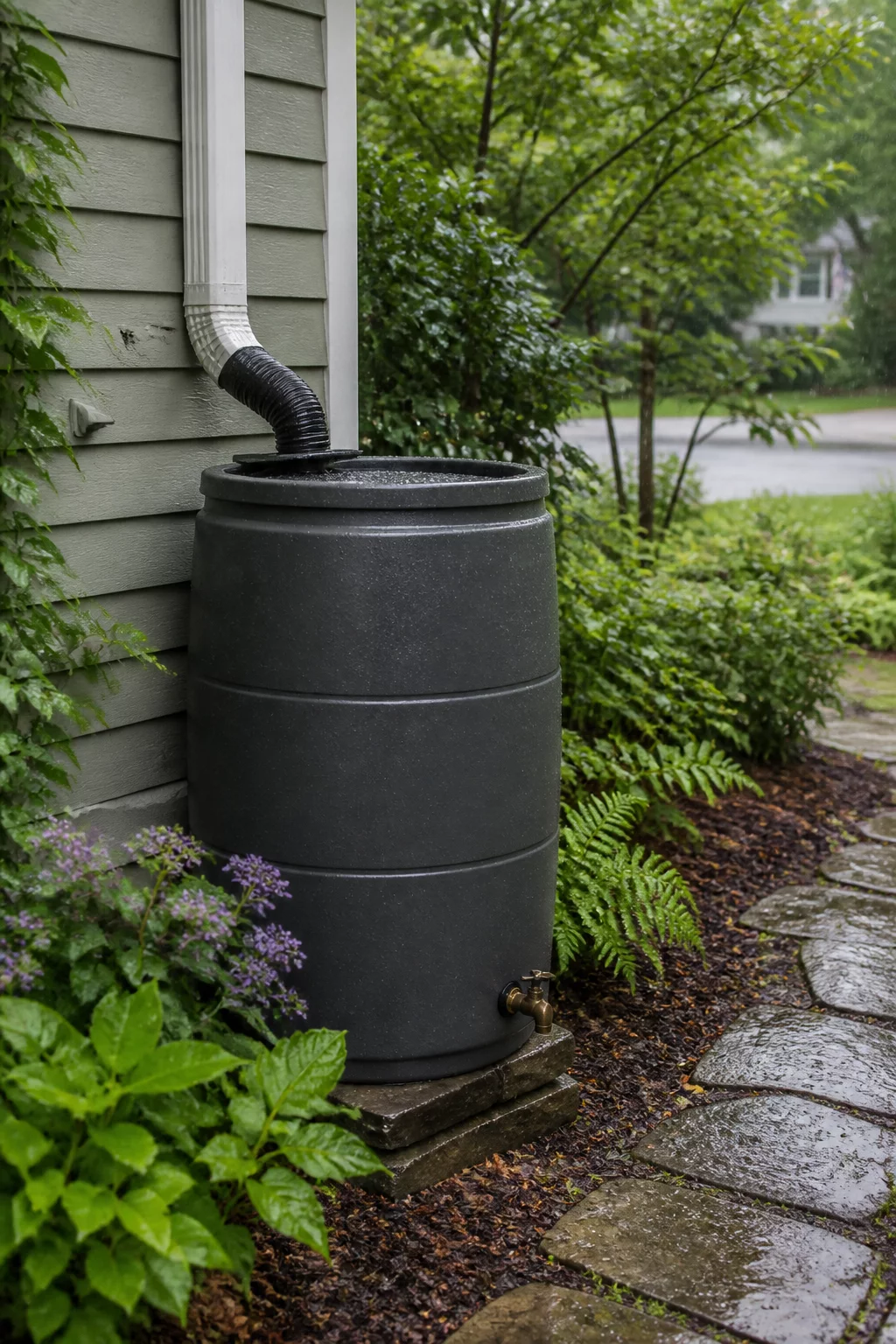
Rational consumption extends to water management. Low-flow faucets, showerheads, and dual-flush toilets reduce water waste without sacrificing performance. For those with outdoor spaces, xeriscaping—landscaping with drought-resistant plants—eliminates the need for expensive irrigation. Collecting rainwater in dedicated barrels provides a free source of water for gardening, further reducing the utility bill and decreasing the strain on local infrastructure.
Financial Strategy: Credits and ROI
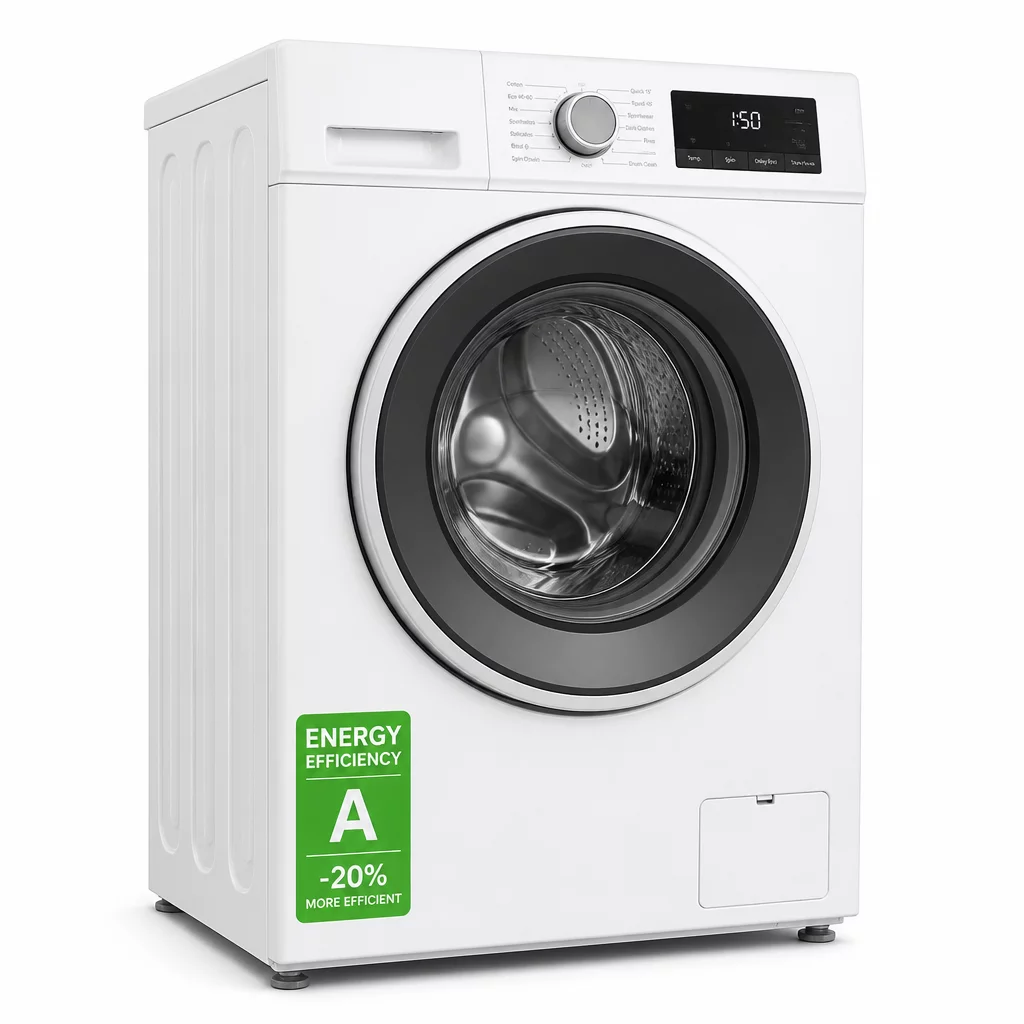
Executing these upgrades requires a structured financial plan. Many governments offer tax credits, rebates, and low-interest loans specifically for energy-efficient improvements. It is essential to audit current household expenses to prioritize upgrades that offer the fastest payback period. By leveraging these incentives, the transition to a sustainable home becomes not only ethically sound but also a pillar of long-term financial stability.

Editorial Discussion
There are no editorial discussions for this topic yet. Be the first to share your perspective below.
Join the conversation