Water is often one of the most overlooked utility costs in the household budget, yet it represents a significant opportunity for both financial savings and environmental stewardship. Effective water conservation isn't just about taking shorter showers; it involves a holistic look at how water moves through your home and identifies the points where it is wasted unnecessarily. By integrating smart technology and conscious habits, a typical family can reduce water consumption by up to 30% without sacrificing convenience.
Optimizing High-Consumption Zones
The bathroom accounts for nearly 60% of indoor water use. To address this, homeowners should prioritize the installation of low-flow fixtures. Modern aerators and high-efficiency showerheads use air pressure to maintain a strong stream while significantly cutting the volume of water used per minute. Similarly, dual-flush toilets allow for different water volumes depending on the waste type, preventing hundreds of gallons from being flushed away each month.
In the kitchen, the dishwasher is actually your ally. Modern Energy Star-certified dishwashers use far less water than hand-washing, especially when operated only with full loads. If you must wash by hand, filling a basin rather than letting the tap run continuously can save up to 10 gallons per session.
The Silent Drain: Detecting Leaks
A single dripping faucet can waste over 3,000 gallons per year. Even worse are silent toilet leaks, which occur when the flapper valve doesn't seal properly. A simple test involves placing a few drops of food coloring in the tank; if color appears in the bowl after 15 minutes without flushing, you have a leak. Regular maintenance of seals and pipes ensures that you aren't paying for water that never actually serves a purpose.
"Rational consumption begins with measurement. If you cannot track your water usage, you cannot effectively manage your household efficiency." — Sandra Carter
Outdoor and Landscape Management
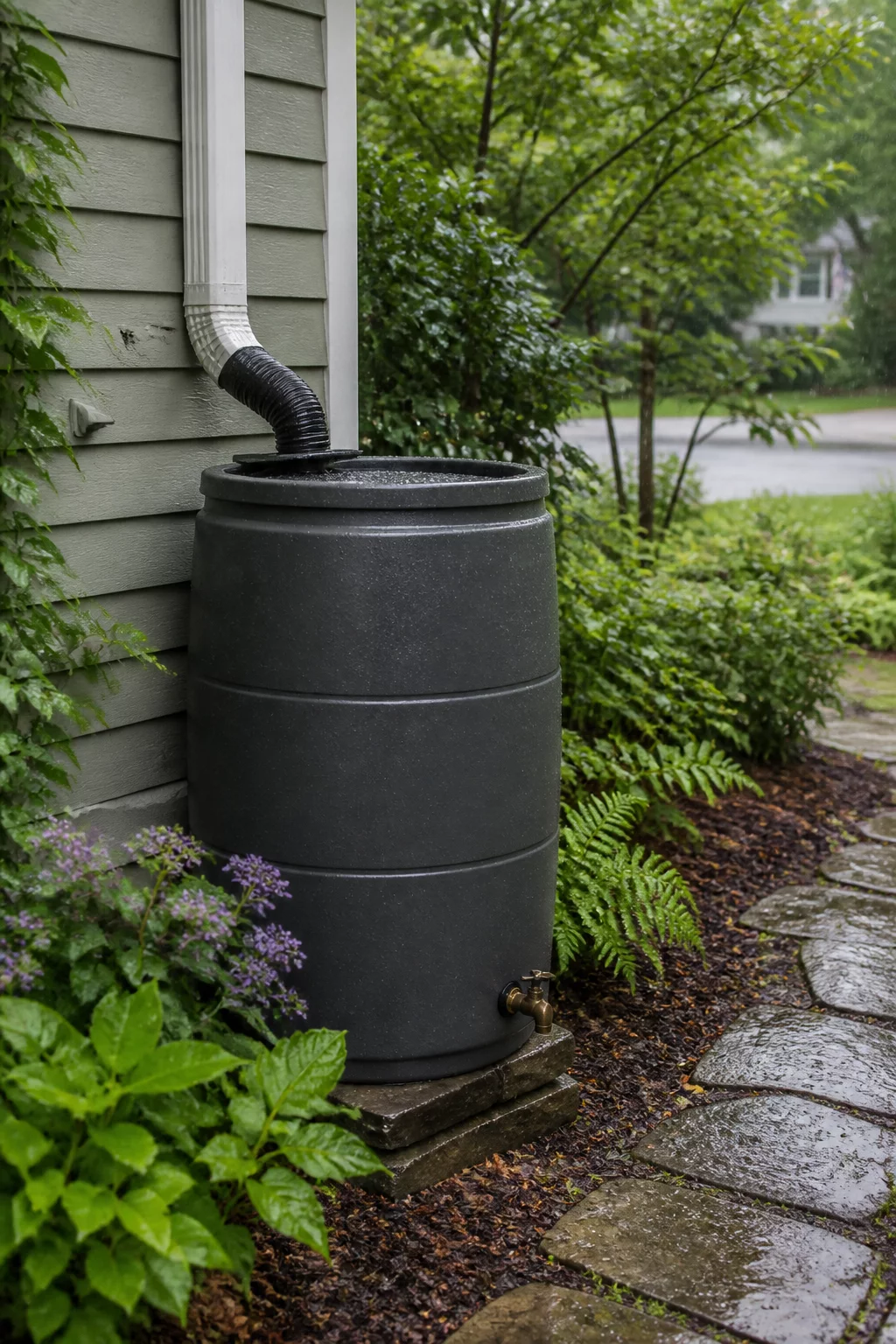
Outdoor water use often peaks during summer months, sometimes doubling a household's total consumption. Implementing xeriscaping—choosing native plants that require minimal irrigation—is one of the most effective long-term strategies. Additionally, installing a rain barrel system allows you to capture runoff from your roof gutter, providing a free and chlorine-free source of water for your garden.
- Install smart irrigation controllers that adjust schedules based on local weather forecasts.
- Mulch your flower beds to retain soil moisture and reduce the frequency of watering.
- Sweep driveways and sidewalks with a broom instead of hosing them down.
- Water your lawn during the early morning hours to minimize evaporation.
Behavioral Shifts for Long-Term Savings
Technology can only go so far; the habits of the household members are equally critical. Turning off the tap while brushing teeth or shaving saves several gallons a day per person. Encouraging family members to report leaks immediately and to only run laundry machines when full creates a culture of efficiency that reflects positively on the monthly financial review.

Editorial Discussion
No comments yet. Be the first to leave a comment.
Join the conversation