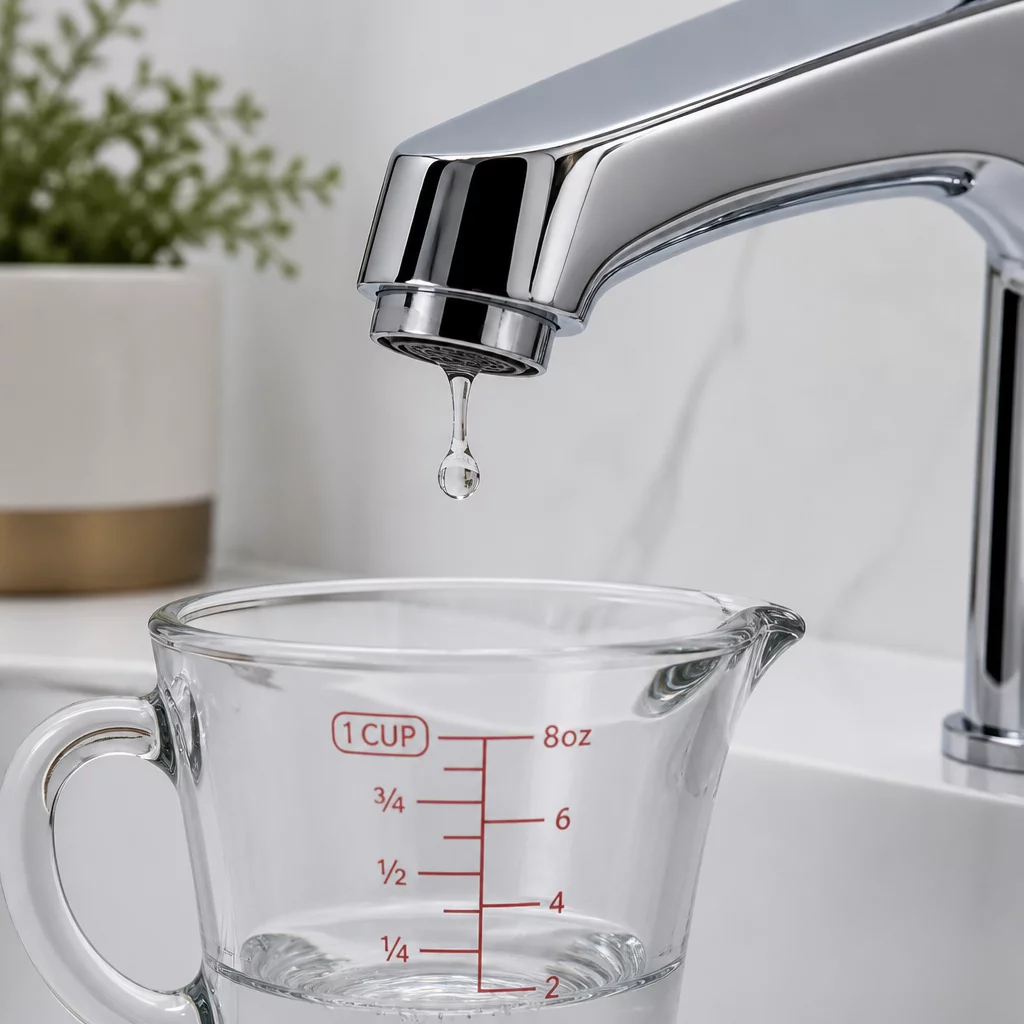
The Necessity of Water Auditing
Managing a household budget effectively requires more than just tracking dollar amounts; it involves understanding the physical consumption of resources. Water is often the most overlooked utility because its cost per unit is relatively low compared to electricity. However, the cumulative effect of inefficiency and hidden leaks can drain hundreds of dollars from a family's annual savings. Estimating your usage provides the baseline necessary to implement rational consumption strategies.
Mapping Internal Flow Patterns
In most residential settings, the bathroom consumes roughly 60% of total indoor water. A standard showerhead releases about 2.5 gallons per minute, meaning a ten-minute shower represents a significant portion of the daily allocation. To estimate this, one can place a marked bucket under the shower for one minute to see if the flow matches the manufacturer's rating. Older toilets are another major source of waste, often using up to five gallons per flush compared to modern high-efficiency models that use less than 1.3 gallons.
Detecting Silent Drainages
Leaks are the invisible enemy of a balanced budget. A toilet flapper that doesn't seal correctly can waste dozens of gallons every hour without making a sound. One simple way to verify this is by placing a few drops of food coloring into the toilet tank and waiting fifteen minutes. If color appears in the bowl without flushing, a leak is present. Monitoring your water meter during a period of zero activity for two hours is another definitive test; any movement in the dials indicates an internal leak that requires immediate attention.
External Factors and Irrigation
During summer months, outdoor water use can skyrocket to 50% or more of total household consumption. Automated irrigation systems are frequently set to run too long or during the heat of the day when evaporation rates are highest. Estimating outdoor usage involves checking the flow rate of your sprinkler system and adjusting based on local rainfall data. Using rain barrels to collect roof runoff is a practical method to offset the cost of maintaining a garden or lawn.
Implementing Long-Term Efficiency
Once you have a clear estimate of where your water goes, the transition to efficiency becomes a matter of hardware and habits. Installing faucet aerators is perhaps the most cost-effective upgrade available, reducing flow by nearly 30% without a noticeable loss in pressure. Furthermore, adjusting habits—such as turning off the tap while brushing teeth or only running full loads in the dishwasher—can shave significant percentages off your monthly statement. These small, consistent changes are the foundation of a resilient household economy.
Editorial Discussion
No editorial discussions yet. This could be your first comment.
Join the conversation