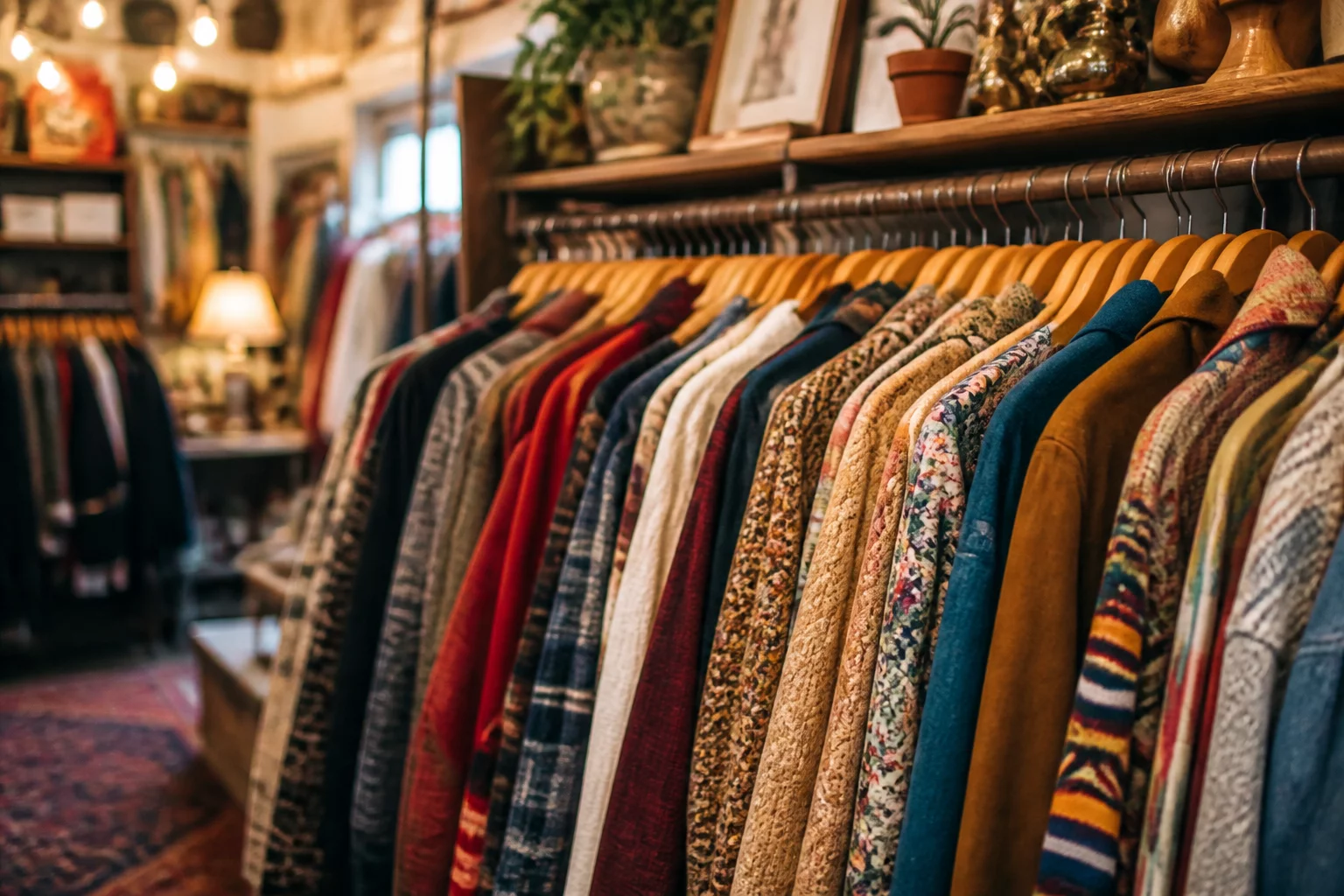
Second-hand shopping has evolved from a budget necessity into a strategic lifestyle choice for the modern consumer. Whether motivated by environmental concerns, the hunt for unique vintage pieces, or the desire to stretch a household budget, mastering the thrift store requires more than just luck. It demands a keen eye for quality and a disciplined approach to the racks. By choosing pre-loved items, you not only save significant amounts of money but also contribute to a circular economy that reduces waste and industrial demand.
Preparation and Strategy
Successful thrifting begins before you even step inside a shop. It is helpful to maintain a running list of specific needs—whether it is a wool coat for winter, a solid wood side table, or kitchen glassware—to prevent impulsive purchases that lead to clutter. It avoids the overwhelming feeling of thousands of items by giving you a mission. Furthermore, timing is critical. Many stores restock early in the week after weekend donations are processed, making Monday or Tuesday morning the ideal time to find fresh inventory.
The Quality Audit: What to Look For
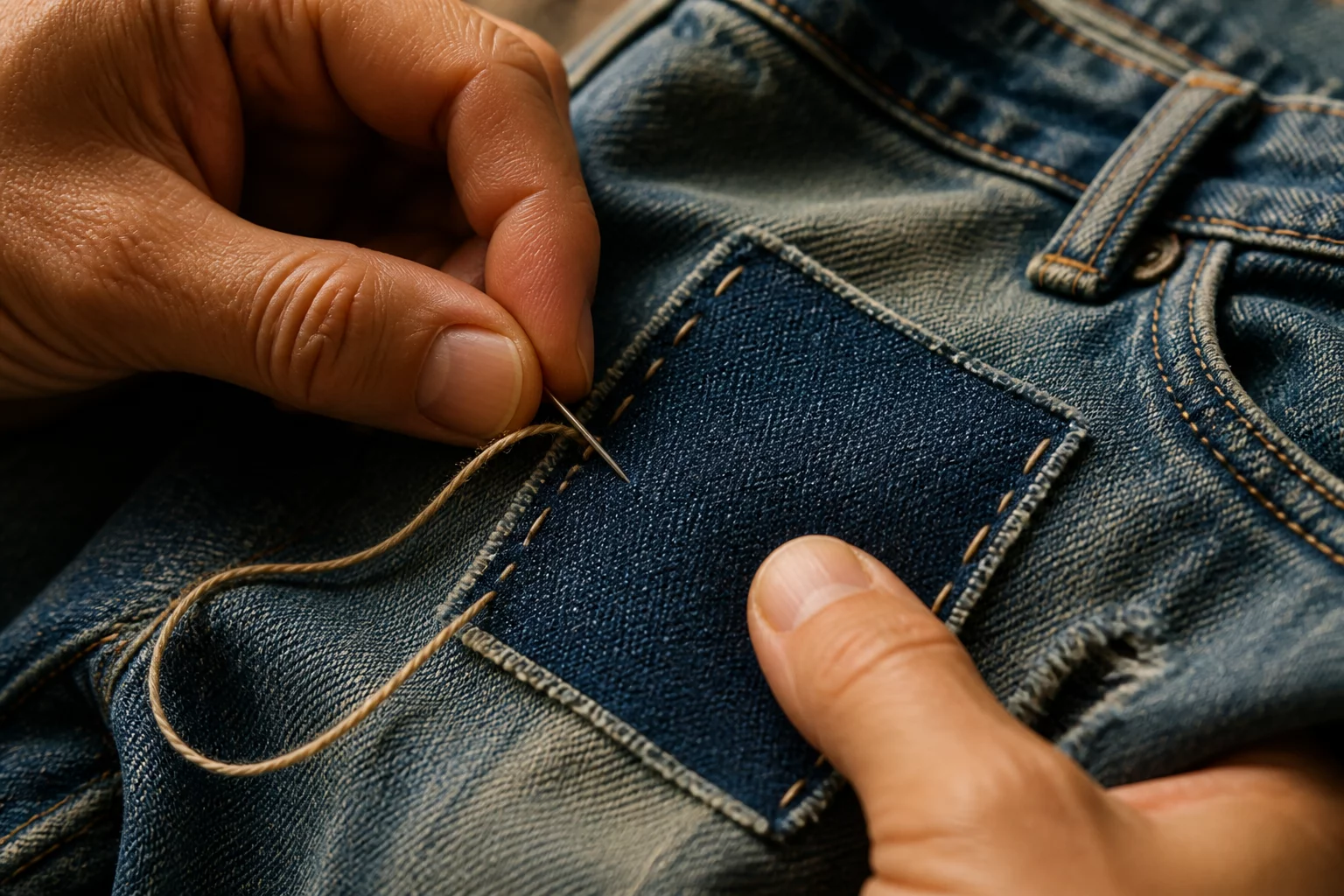
When evaluating clothing, the fabric composition tells the most important story. High-quality natural fibers like wool, silk, linen, and cotton generally age better and are easier to clean than synthetic blends. It is advisable to perform a quick check of the seams, buttons, and zippers. A missing button is a simple fix, but a broken zipper or a structural tear in the fabric might not be worth the investment unless the item is exceptionally rare. For furniture, always check for structural integrity; solid wood can be refinished, while damaged particle board often cannot be saved.
- Inspect armpits and collars for permanent staining.
- Check the "pull test" on knits to ensure the elasticity remains intact.
- Look for brand labels that indicate higher production standards.
- Smell the item—while most odors wash out, heavy smoke or mildew can be permanent.
Navigating Sizing and Fit
Standardized sizing has changed drastically over the decades, and different brands follow wildly different charts. It is best to ignore the number on the tag and focus on the actual dimensions of the garment. If the store allows, trying items on is essential. Otherwise, carrying a small tape measure to check the waist and shoulder widths against your own measurements ensures a successful purchase. Remember that tailoring is the secret weapon of rational consumers; spending five dollars on a shirt and fifteen on a professional alteration results in a custom-fit piece for a fraction of the retail price.
Cleaning and Restoration Protocols
Hygiene is a common concern for new thrifters, but it is easily managed with the right routine. Most garments should be washed immediately in the warmest water safe for the fabric or sent to the dry cleaner. For delicate vintage items, a gentle hand wash with specialized detergent often restores the luster of the fibers. Hard goods, like home decor or kitchenware, can be sanitized with a mixture of vinegar and water or standard disinfectant. Taking these steps ensures that your new treasures are safe and fresh for their new life in your household.

Editorial Discussion
No editorial comments yet. Be the first to share your thrift shopping success stories.
Join the conversation