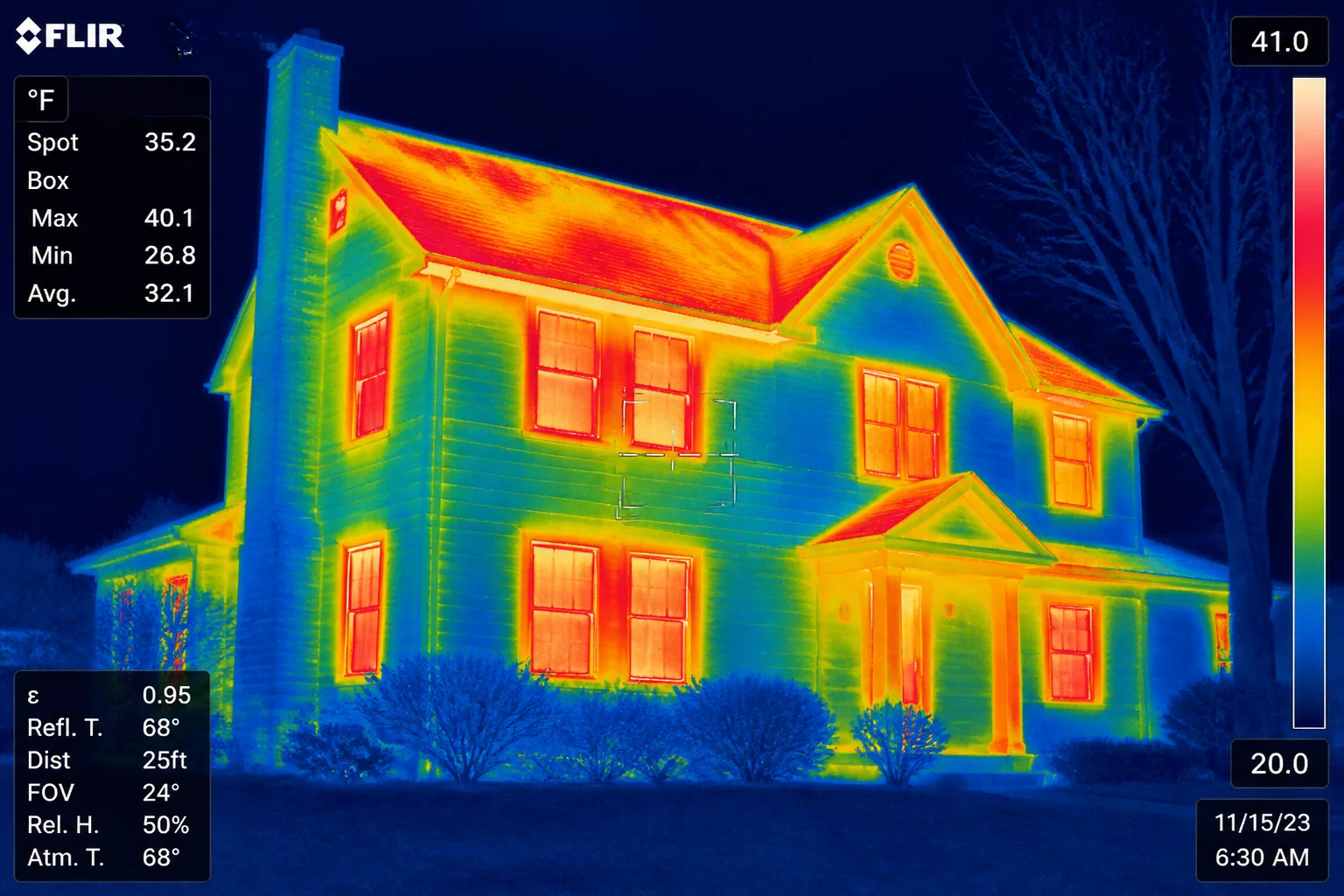
Improving your home's thermal envelope is often the most cost-effective way to reduce monthly utility expenses. While upgrading a furnace or air conditioner involves significant capital expenditure, insulation and air sealing offer a high return on investment (ROI) by reducing the load on those very systems. By preventing heat transfer through conduction and convection, you create a stable indoor climate that requires less energy to maintain year-round.
Understanding R-Value and Heat Loss
Thermal resistance, often referred to as R-value, determines how effectively your home resists the flow of heat. In winter, heat escapes through poorly insulated attics and walls, while in summer, outdoor heat penetrates your living space, forcing air conditioning units to work harder. The estimator compares your current insulation levels with recommended standards for your specific climate zone to dictate potential reduction in kilowatt-hours or therms consumed.
Potential Savings Breakdown
Research indicates that homeowners can save an average of 15% on heating and cooling costs (or 11% of total energy costs) by air sealing their homes and adding insulation in key areas. For a typical family, this translates to hundreds of dollars in annual savings, effectively paying for the insulation material and installation within a relatively short window of three to five years.
Strategic Areas for Thermal Upgrades
- Attic Insulation: This area provides the highest impact. Upgrading to R-38 or R-60 levels can drastically cut heating bills.
- Exterior Wall Insulation: Crucial for older homes with empty wall cavities where air circulates freely.
- Crawl Spaces and Basements: Vital for preventing cold floors and managing moisture that can degrade structural integrity.
- Rim Joists: Often overlooked, sealing these areas prevents significant drafts in the lower levels of a home.
Choosing the right material—whether it be fiberglass batts, blown-in cellulose, or spray foam—depends on your budget and specific structural requirements. Beyond immediate financial gain, proper insulation also protects your home from ice dams and moisture-related damage, adding another layer of long-term financial security to your household budget.



Editorial Discussion
No editorial discussions yet. Be the first to share your perspective on insulation savings.
Join the conversation